
The Real Cost of Doping: When the Body and Mind Pay the Price
Performance-enhancing drugs (PEDs) are often marketed — openly or quietly — as shortcuts to strength, speed, or endurance. While not every athlete who uses them is caught by testing systems, science is clear about one thing: even when rules don’t catch you, your body and mind eventually will.
The consequences of doping are not hypothetical. They are biological, psychological, and cumulative.
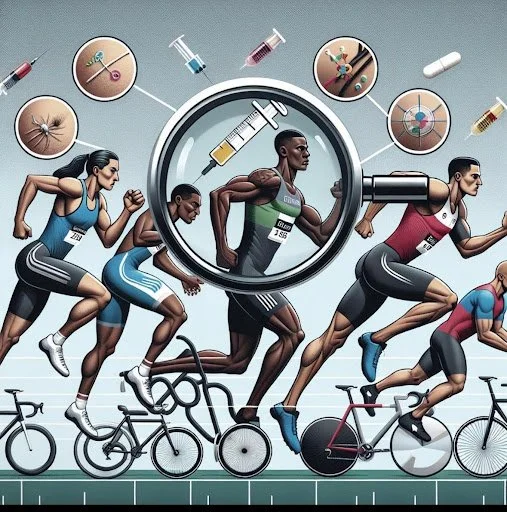
Physical Consequences: Damage That Doesn’t Show on the Podium
Research from Harvard Medical School and the Mayo Clinic shows that substances like anabolic steroids, EPO, and hormone modulators significantly increase the risk of:
Cardiovascular disease (heart attacks, strokes, blood clots)
Liver and kidney damage
Hormonal system shutdown, including infertility and sexual dysfunction
Blood-boosting drugs such as EPO thicken the blood, forcing the heart to work harder. According to studies cited by the Mayo Clinic, this raises the risk of sudden cardiac events — sometimes occurring years after use, even in seemingly healthy athletes.
Your performance may temporarily peak, but organ damage accumulates silently.
Some physical signs that may raise suspicion of doping in athletes can include noticeable changes in appearance and behavior rather than performance alone.

Teeth and jaw changes: excessive teeth grinding (bruxism) that can lead to visibly shortened, flattened, or chipped teeth, jaw tension, and frequent headaches.
Facial changes: puffy or bloated face, sometimes linked to fluid retention, hormonal imbalance, or corticosteroid/steroid use.
Skin changes: oily skin or sudden changes in skin texture, especially in areas not previously affected.
Body composition shifts: Unusually rapid muscle gain or sudden changes in physique that don’t match training history.
Hair changes: accelerated hair loss or, conversely, increased body or facial hair due to hormonal disruption.
Behavioral and neurological signs: persistent restlessness, irritability, mood swings, anxiety, or sleep disturbances.
“Shortcuts don’t eliminate the journey — they only postpone the consequences.”
Mental and Psychological Consequences: The Hidden Fallout
The National Institute on Drug Abuse (NIDA) and research from Yale University highlight the strong link between PED use and mental health disturbances:
Mood instability and aggression (“roid rage”)
Anxiety, paranoia, and irritability
Depression during and especially after withdrawal
Increased risk of suicidal ideation after long-term use
Hormones regulate not just muscles, but emotions, impulse control, and stress response. Artificially manipulating them often destabilizes the brain’s natural balance — sometimes long after the drugs are stopped.
Psychological Dependence and Identity Damage
Studies from University College London and Stanford-affiliated research describe a less discussed consequence: psychological dependence.
Athletes may begin to believe:
“I can’t perform without this.”
“My real body isn’t enough.”
“Stopping means losing who I am.”
This erodes self-trust and identity, turning training into anxiety rather than empowerment. Even when physical side effects appear, many continue using PEDs out of fear — not strength.
Not Getting Caught Doesn’t Mean Getting Away With It
Anti-doping systems are imperfect. Many athletes are never sanctioned. But biology doesn’t negotiate.
Research across multiple universities consistently shows:
Damage accumulates even at “moderate” doses
Side effects may appear years later
Mental health consequences often outlast physical ones
In other words:
You might avoid a ban — but you won’t avoid your nervous system, your heart, or your hormones keeping score.
Final Reflection
There is no substance that improves performance without demanding payment somewhere else — in health, longevity, emotional stability, or identity.
True performance is built slowly, sustainably, and honestly. The strongest athletes aren’t the ones who push hardest at any cost — but the ones who protect the only body and mind they’ll ever have.
“You can outrun testing systems, but you can’t outrun physiology.”
