
IRONMAN 70.3 Steelhead | 2017
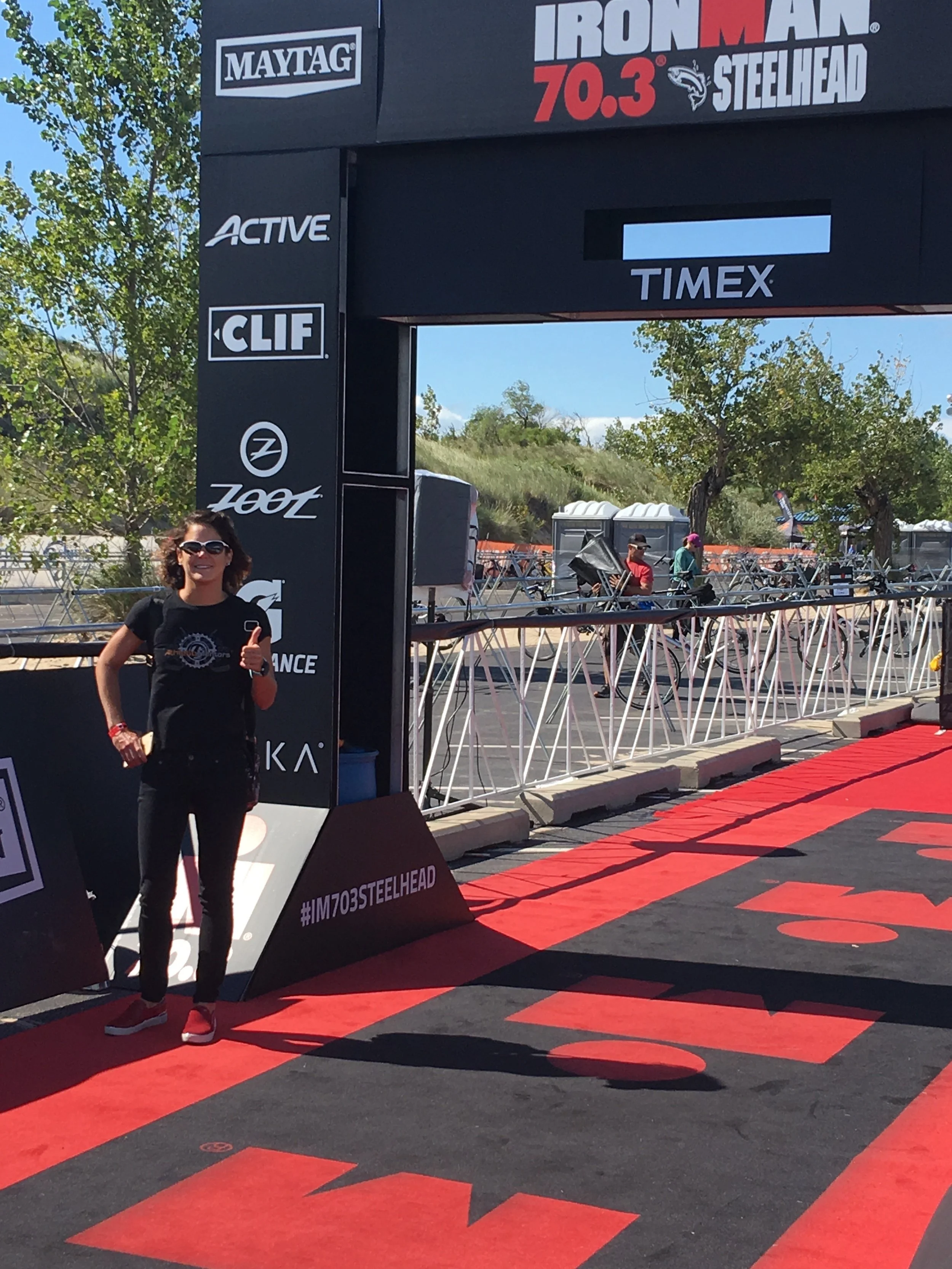
Racing with Courage in Uncertain Conditions
The Steelhead Ironman 70.3, held in Benton Harbor, Michigan, is known for its beautiful yet demanding course along Lake Michigan and the surrounding countryside. It’s a race that tests adaptability as much as fitness.
Course Description
Swim – 1.2 miles (1.9 km)
The race begins with an open-water swim in Lake Michigan, a course that can be unpredictable. On race day in 2017, athletes faced strong winds and slight storming, creating very choppy waters and cold conditions. To add another layer of challenge, wetsuits were not allowed in the professional category because of the combined air and water temperatures, making the swim even more physically and mentally demanding.
Bike – 56 miles (90 km)
The bike course rolls through scenic rural roads and farmland, offering smooth pavement with gentle rollers that reward strong cyclists. While fast, it requires focus, smart pacing, and consistent nutrition. Winds on race day added complexity, demanding steady power and mental resilience.
Run – 13.1 miles (21.1 km)
The run is a flat-to-rolling half-marathon through neighborhoods and park paths near Lake Michigan. Though spectator support helps, fatigue can build quickly after a demanding swim and bike, making nutrition and mental toughness essential to hold position and finish strong.
My Race Story
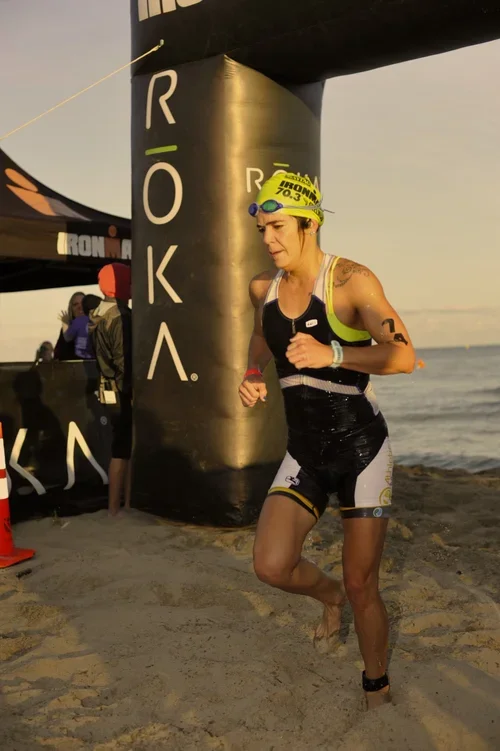
The Swim: Going into this race, I had planned to use a wetsuit. However, just minutes before the start, officials announced that wetsuits were banned in the Professional category due to temperature regulations. I was immediately worried—I didn’t have a swim skin at the time (a swim skin is a thin, water-repellent suit worn over a tri-suit in open-water races when wetsuits aren’t allowed. It reduces drag without adding buoyancy and is easy to remove in transition). I watched the other pro women wearing theirs, knowing they reduce drag over a tri-suit, and I felt exposed and unprepared. Not only that, but I was trying hard to suppress my emotions when my 9-year-old daughter looked at me and said, “Mom, it’s ok. You can do it.”
Those simple words gave me more courage than she’ll ever know.
“Integrity is choosing courage over comfort.
Choosing what is right over what is fun, fast, or easy, and choosing to practice our values rather than simply professing them.”
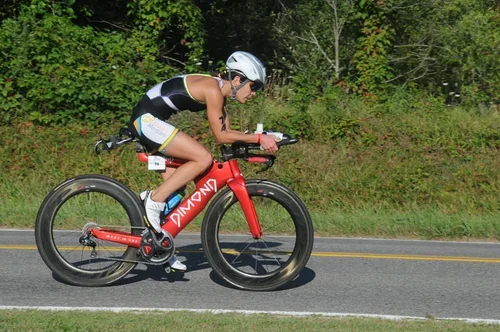
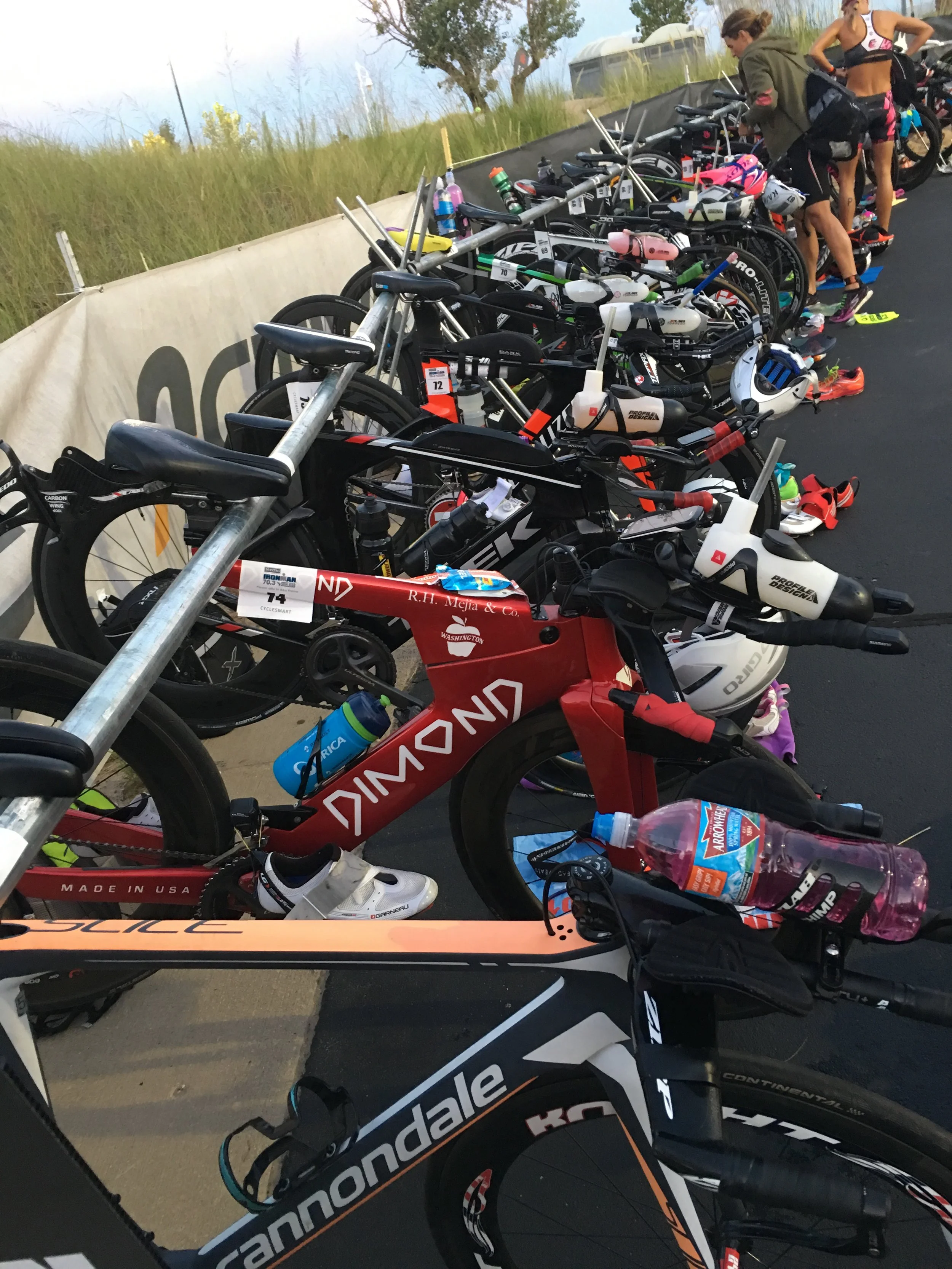
The bike portion felt smooth, and after that difficult swim, I concentrated on staying positive and dialing in my nutrition. This race was special—it was my first Half Ironman on my TT bike, generously provided by my amazing sponsor, R. H. Mejía, for whom I am deeply grateful.
During the ride, I remember staying in position with other strong professional women and thinking, “These girls are true beast cyclists.”
“The credit belongs to the person who is actually in the arena, whose face is marred by dust and sweat and blood.”
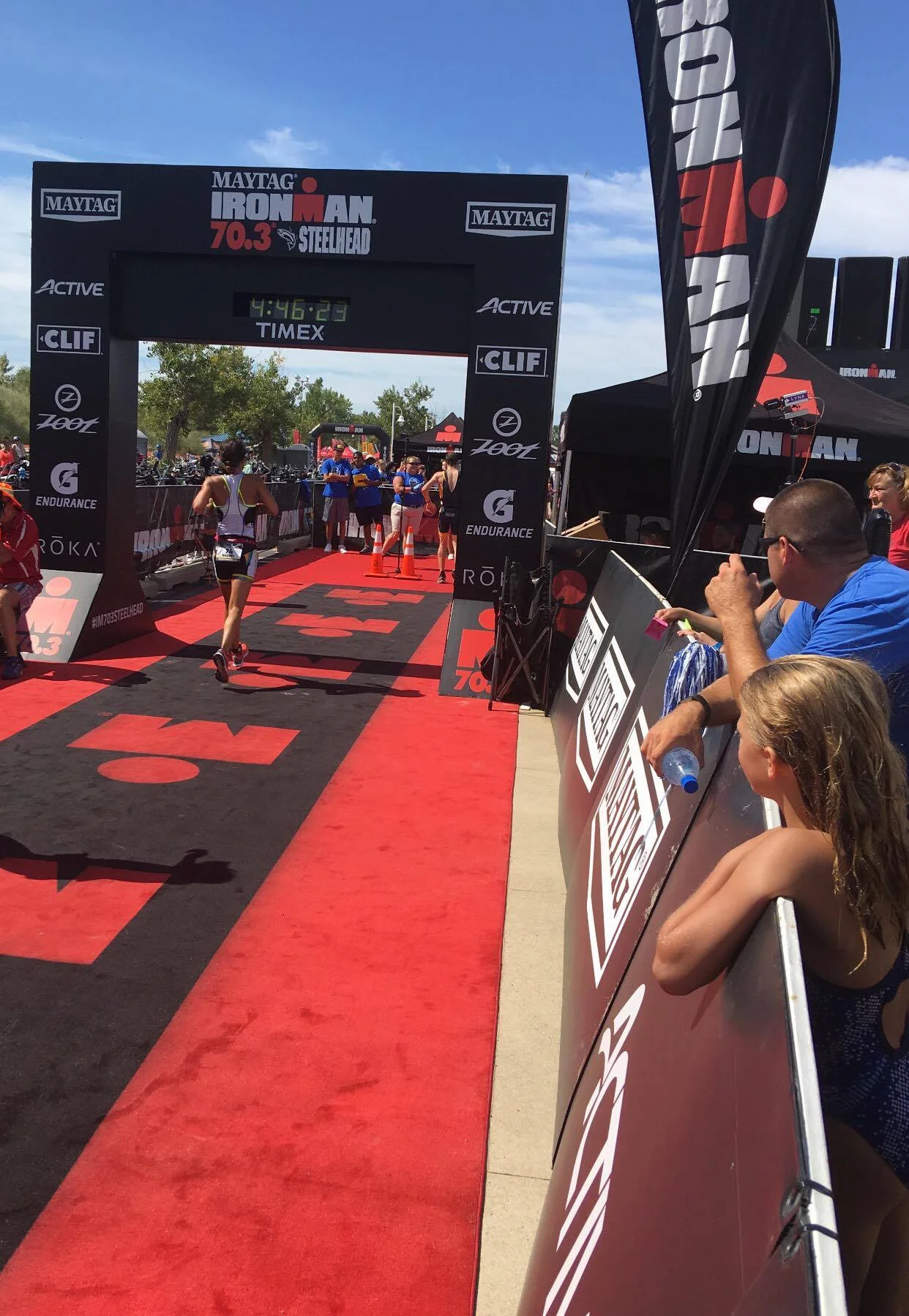
From the beginning, it felt all messy. I had a decent event after all.
The run was tough. I was thirsty, low on energy, and realized I hadn’t eaten enough during the bike. Still, I stayed close to the other pros, fighting for position despite the fatigue.
I finished top 13 in the professional category in 4:46:24
Long-distance triathlons are challenging not only because of the physical demand, but because of the many external and technical factors that can influence performance—especially at the professional or elite level, where experience and support systems matter greatly.
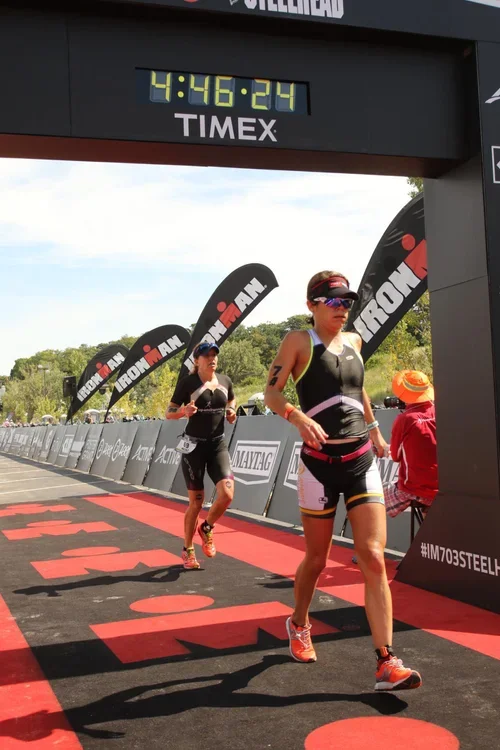
“In the middle of uncertainty:
My greatest strength wasn’t gear or preparation—it was the belief passed to me by my daughter.”
From the beginning of my triathlon journey to now, I’ve always reminded myself to keep learning, stay grounded while dreaming big, and never compare myself to others. Every athlete is unique. Our life stories, challenges, and timing are different. My goal has always been simple and honest: to do my best and see how much I can improve at each stage of my life in this hard, humbling, and incredibly beautiful sport.
