Dubai IRONMAN 70.3
Making the decision to race.
My last event was the ITU African Cup in December 2016, in Morocco. Lucky me, I won a money prize and finished in the top 10. After that trip back home, I started thinking about the next goal.
In 2016, I did not participate in many races, but there is a commitment with sponsors, my career, and my passion, so I always need to make important and compromising decisions about what races to sign up for and work for, knowing that living in Michigan, USA, where the winter is long, very cold, long and no events around. I decided to sign up for the Dubai Ironman 70.3 in a race early in January 2017, with the support of my amazing sponsors.



PRO or Age Group Category?
Since receiving an honorable personal invitation from the Dominican Triathlon Federation to race as an Elite for 5 consecutive years, I have been competing in the Elite-Pro or Professional category, and I was, by default, in Pro status in the IRONMAN races.
Then I registered for the event and started to train for the distance. In terms of the training and distance differences, the sprint triathlon distance is : 750 meters swimming, 20 KM draft legal cycling, and 5 km running, the Olympic distance is double the sprint, and a 70.3 or Half IRONMAN distance is 2 times the Olympic: 1900 meters swimming, 90 KM cycling, and 21 KM running. It’s a big step. I did not have much time, but the desire was greater than that.
Training for A 70.3 Ironman
I was very motivated and focused on doing my best during a hard winter in Michigan. I spent days like Christmas and New Year’s Day training like any other day…
I was running outside most of the time in very low temperatures, and during a strong snowstorm, I made an abrupt change in surface that caused a minor injury. I was careful and stopped running until I was able to get an appointment with the doctor about 10 days later. After 10 therapy sessions and about 22 days without running, the doctors ordered X-rays and other tests and told me that with rehab and all things normal, I could complete the event. I already had the plane ticket, the hotel was reserved, the event registration was done, and the hard work and emotion from the long training were behind me.
In 2016, I was not able to run a lot, which is the area where I have the most room for improvement. None of these things was going to become an obstacle, so I maintained a positive attitude and focused on what I could control, doing my rehab as well as possible and doing my best with swimming, cycling, and nutrition.
One of the advantages of triathlon is that you have options; there are no excuses not to work. I decided to be more positive than ever, even with many obstacles.
I did pack, prepare the trip logistics, leave everything in order at home for my daughter, everything methodically and with a great attitude, enjoying the process and the adventure. Giving a 100% effort with a good attitude.
I arrived 8 days before the event, mentally prepared to handle the time change and jet lag. I arrived at 1:00 am after 23 hours of travel, dead but not sleepy. I arrived at the hotel at 2:00am (for me, 12:00 noon) and slept for 3 hours from 6-9 am. I am very much into a routine. It's hard for me to adapt to changes in my sleep habits, but I have been learning as I go.
Nutrition & Training a week before race day
I have learned that it's good to take as much food as possible on trips for at least 2 days. For this trip, I brought my protein from the USA, spinach, basic supplements for my shakes, and bread. Some snacks, dehydrated fruits, etc.
I found a very good deal at an apartment-style hotel where I could cook, as it was more affordable and comfortable, and I could keep my nutrition as close to home as possible.
First day: Set up the bike; go to the supermarket, pay attention to nutrition. Some mechanical problems, I was able to find a bike shop, where I could ride, swim, and run.
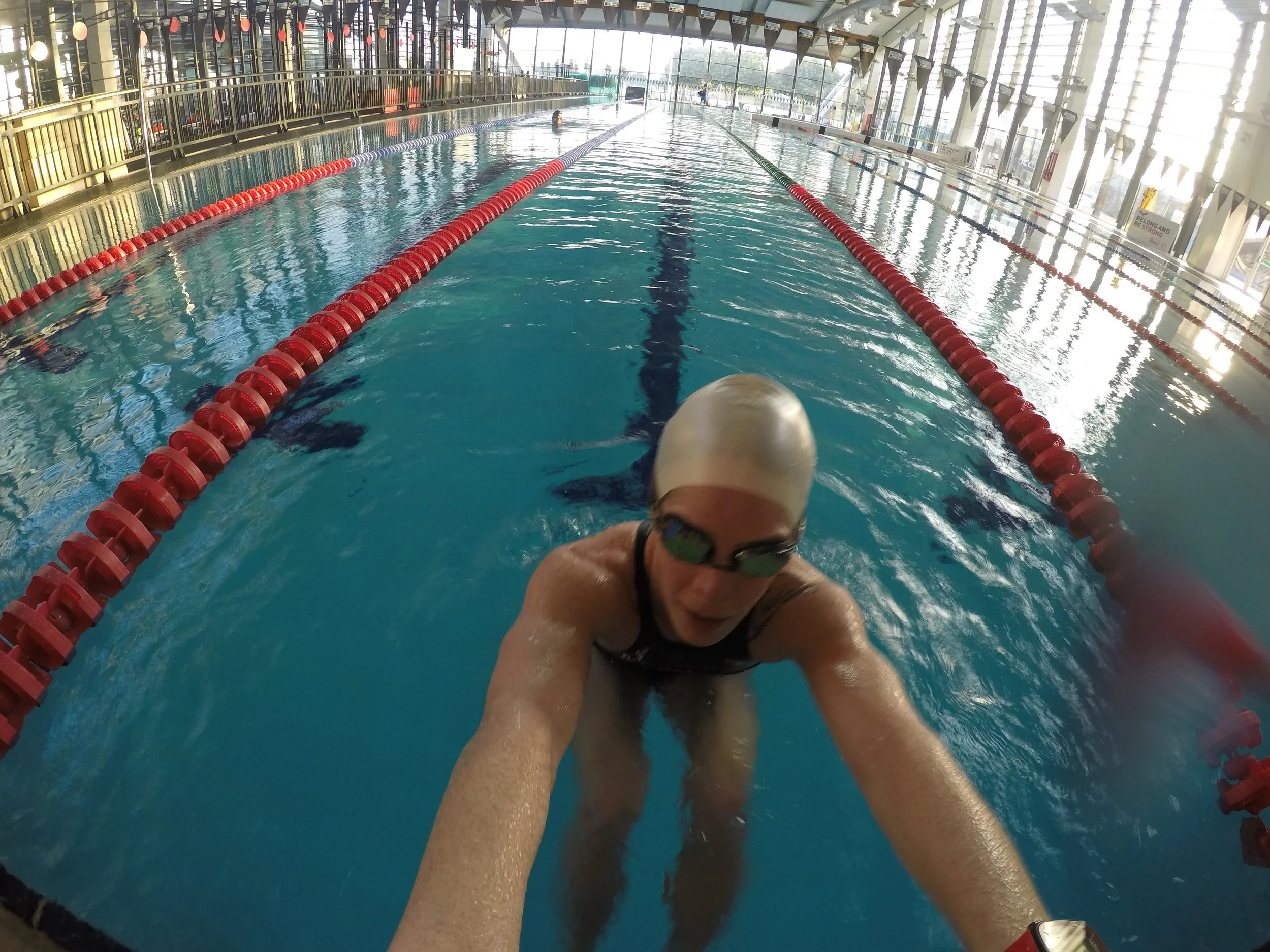
I had to figure out where to ride legally (it's not permitted to ride on certain roads). Sometimes I felt bad as I was not resting enough, and I started to have invasive thoughts, but I kept positive and was able to focus on what was under my control. Some triathlon friends invited me to a pool where I could swim.
3 days before the race, I went for a short 15-min run at race pace, and my foot really hurt, so I thought, "Omg, would I be able to complete the race?" I felt horrible, tired, lethargic, and in lots of pain. But I focused on keeping a positive attitude and my nutrition.
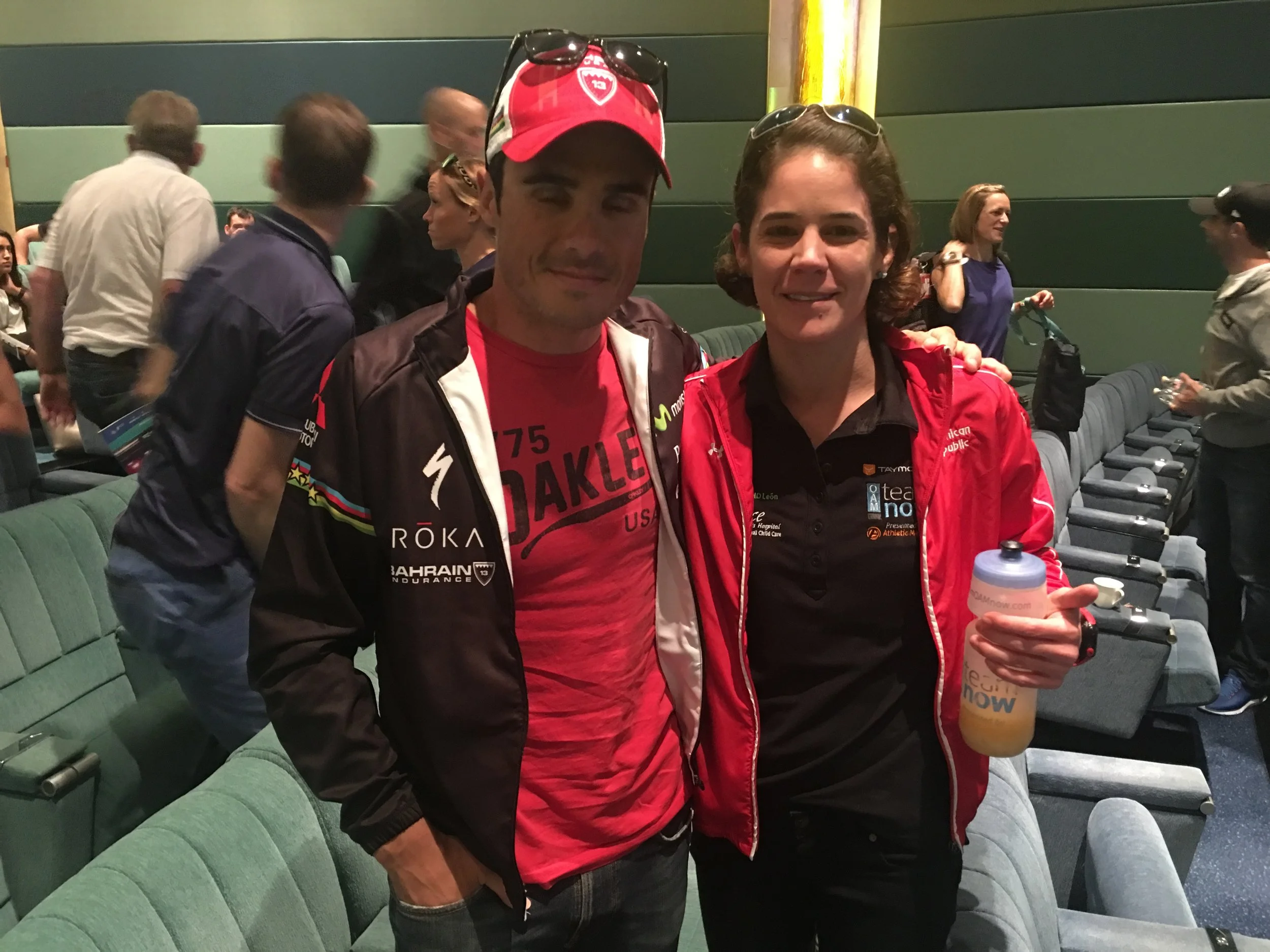
2 Days before the race, at 5:00 pm, an athletes' meeting. I took an Uber (Uber’s there are luxury cars, lol). I was very relaxed and happy to be at this event with some of the world's best-ranked athletes.
Thursday, the day before the race
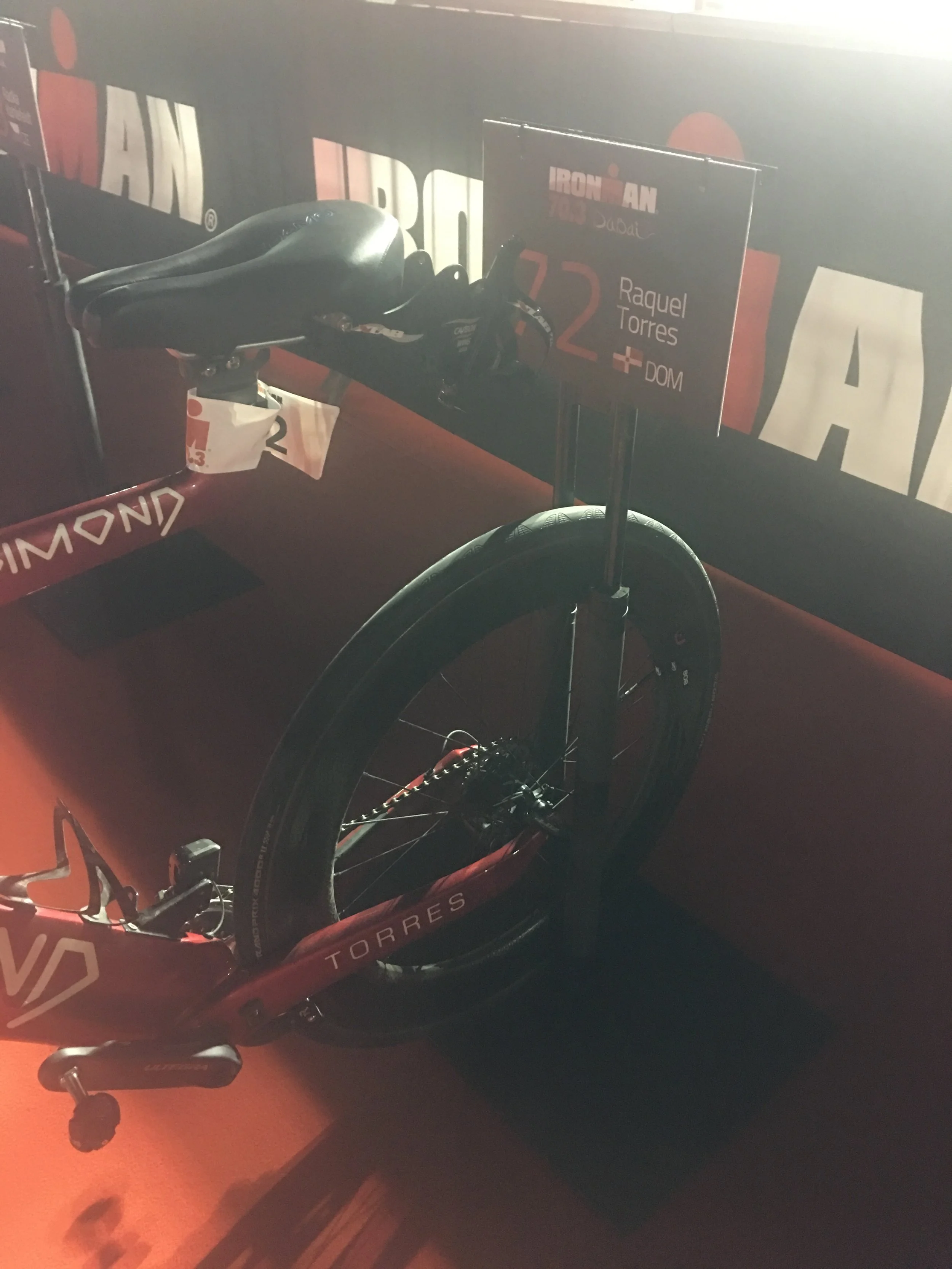
It was mandatory to take the bike to the transition area and prepare the equipment for the next day. Later, I prepared my dinner so that I could be in bed by 10:00 pm.
RACE-DAY Alarm went off at 4:40 AM
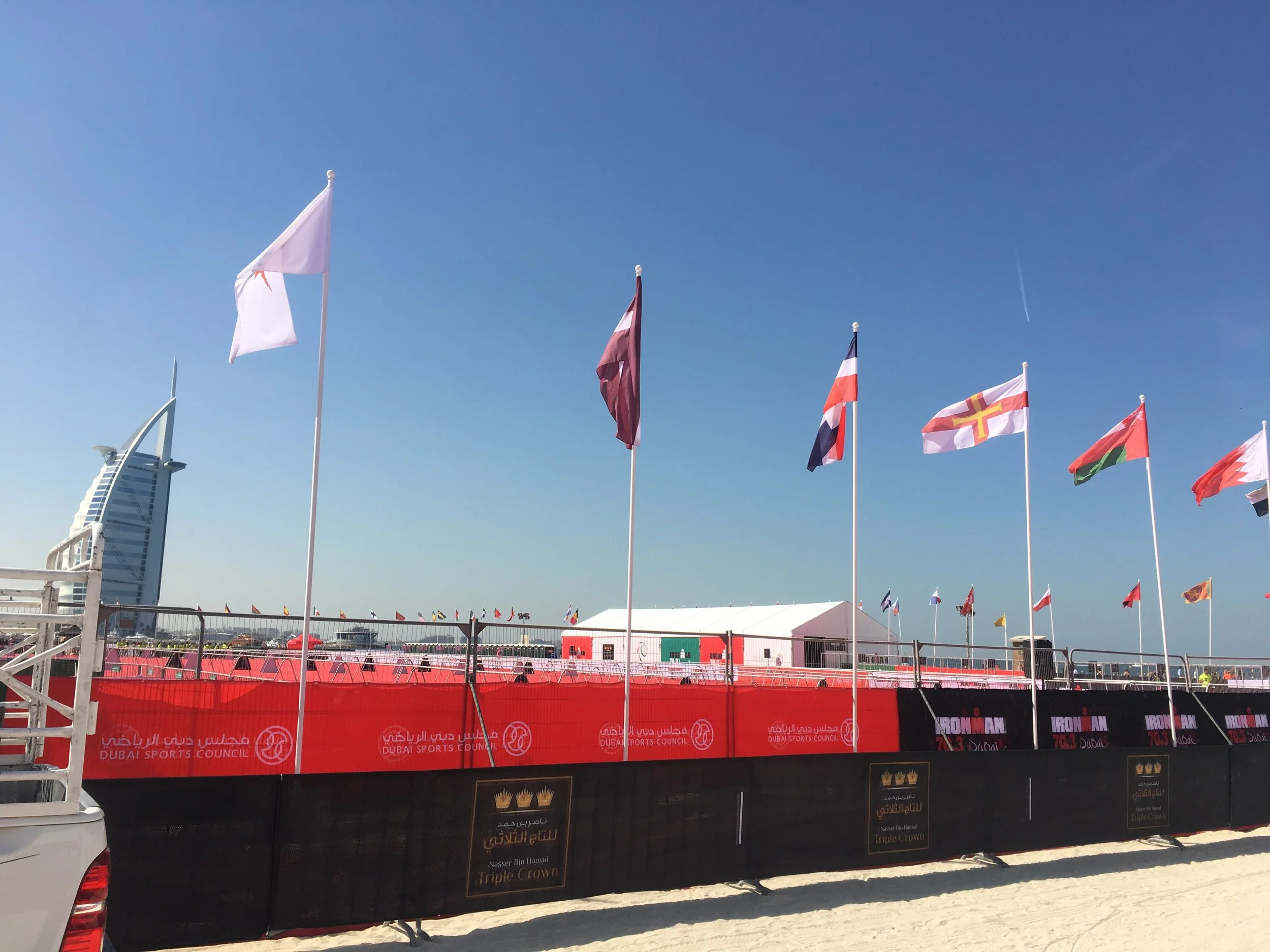
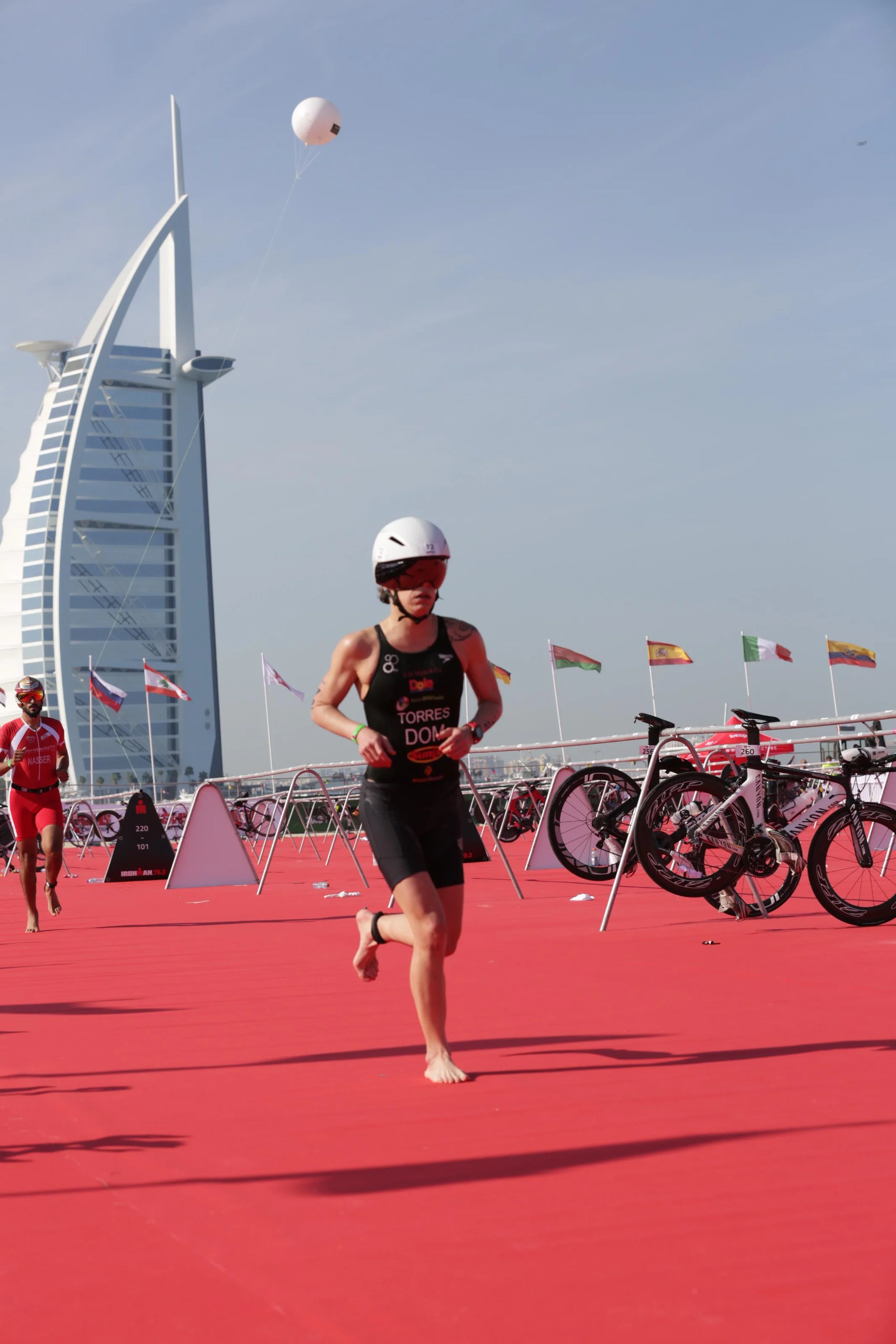
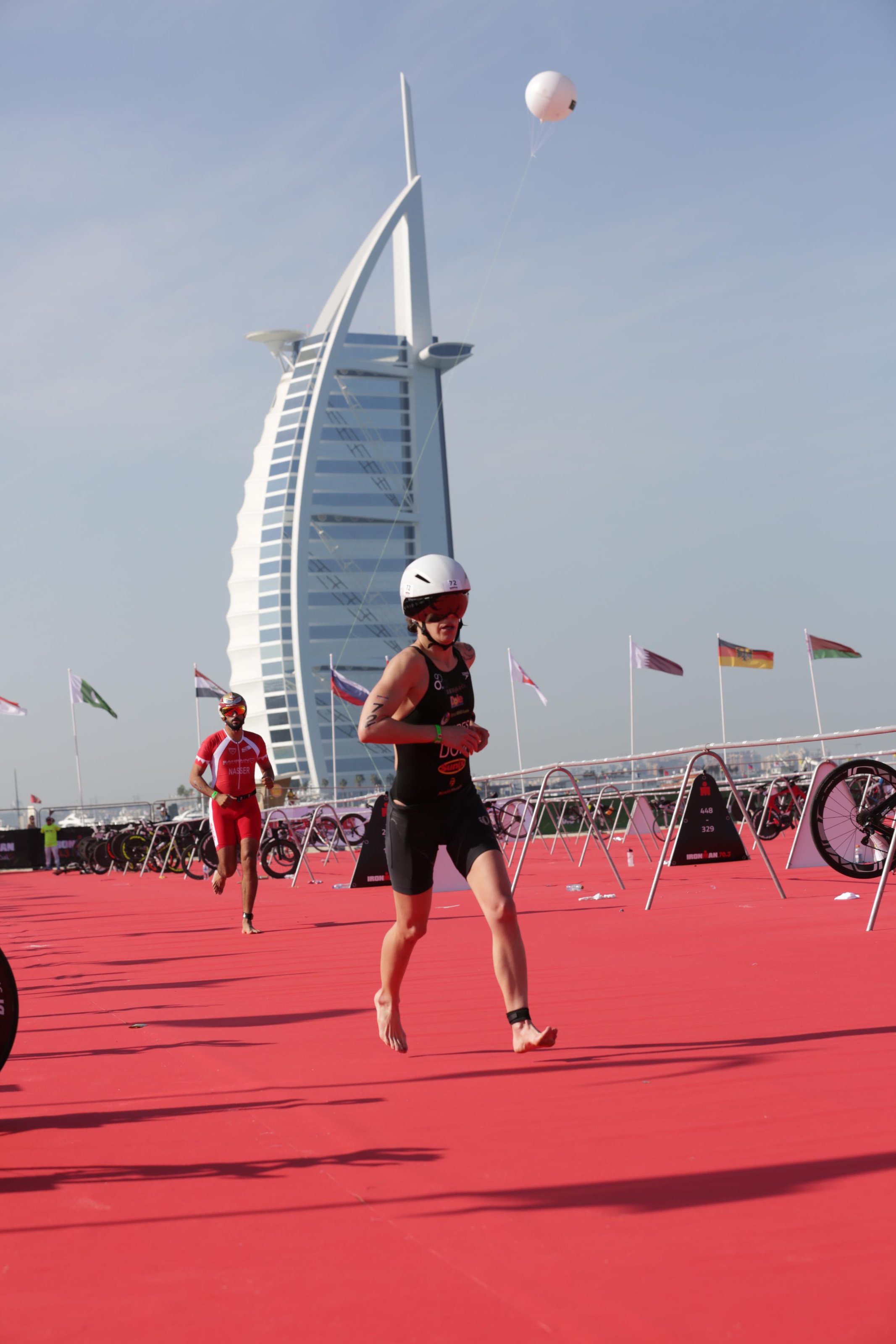
This race was special because it had a divided transition, a place for the bikes and another for the items for the run, with changing rooms. I studied the area thoroughly, visualized the transition, and had no problems during the race.
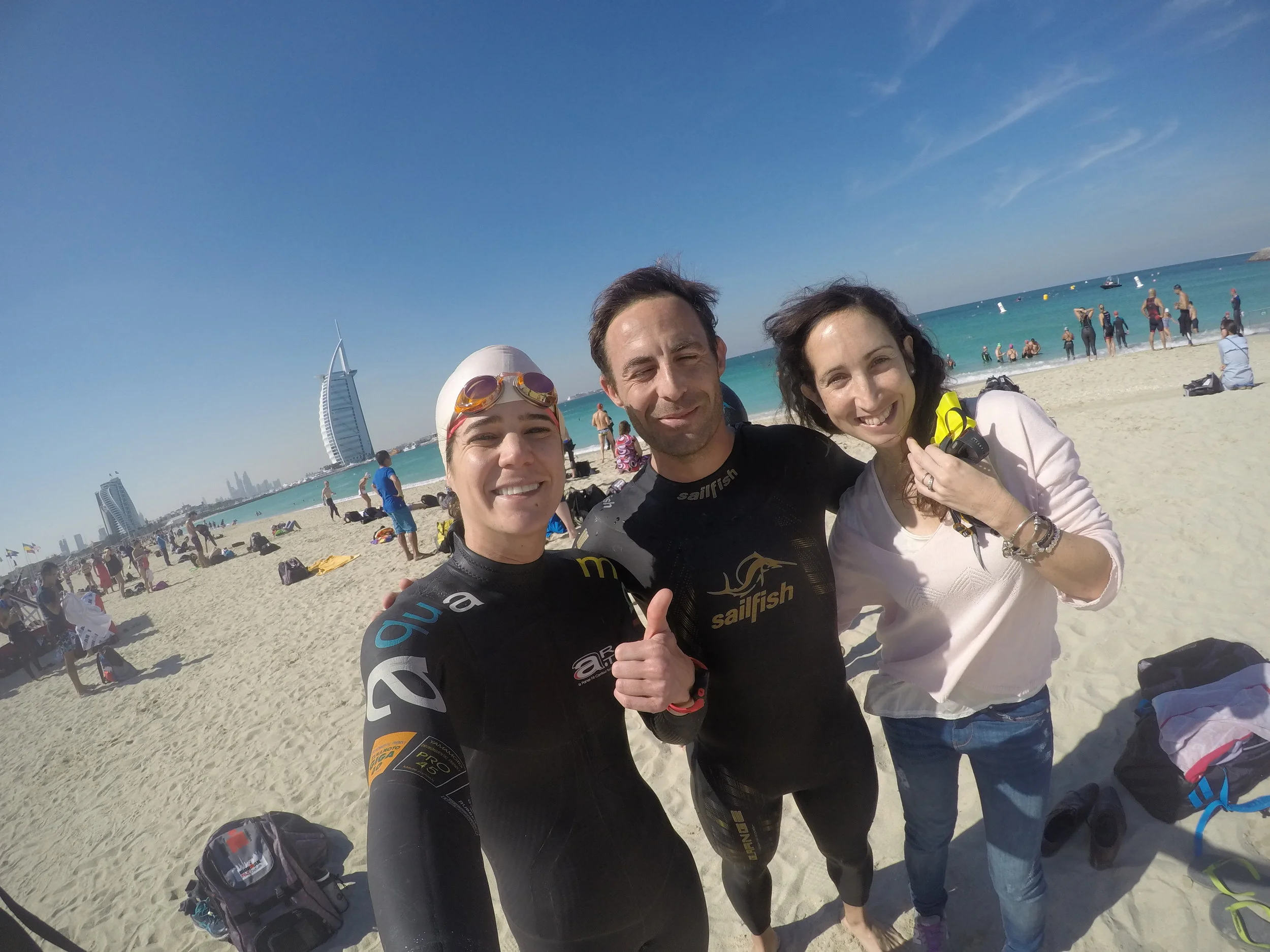
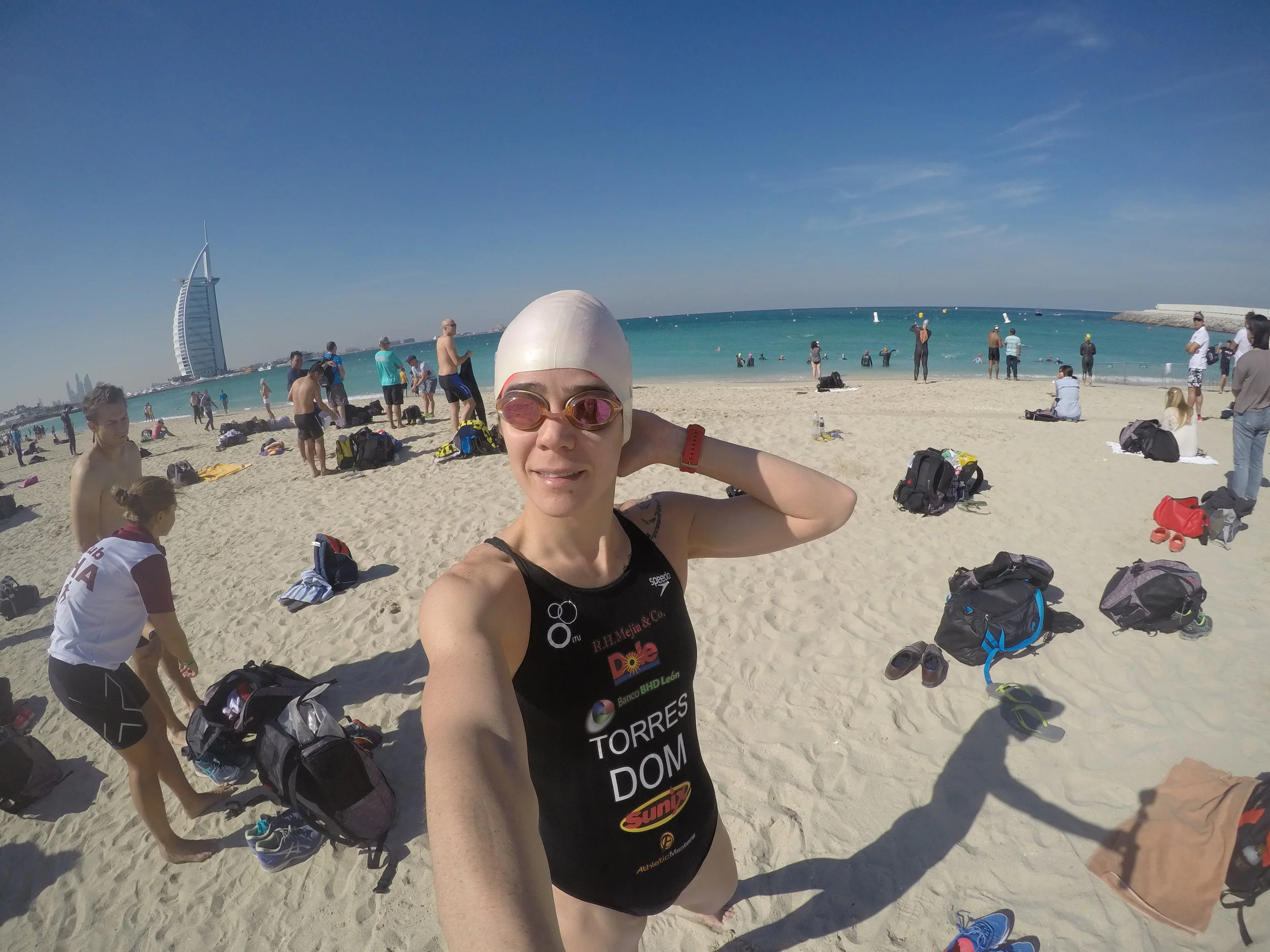
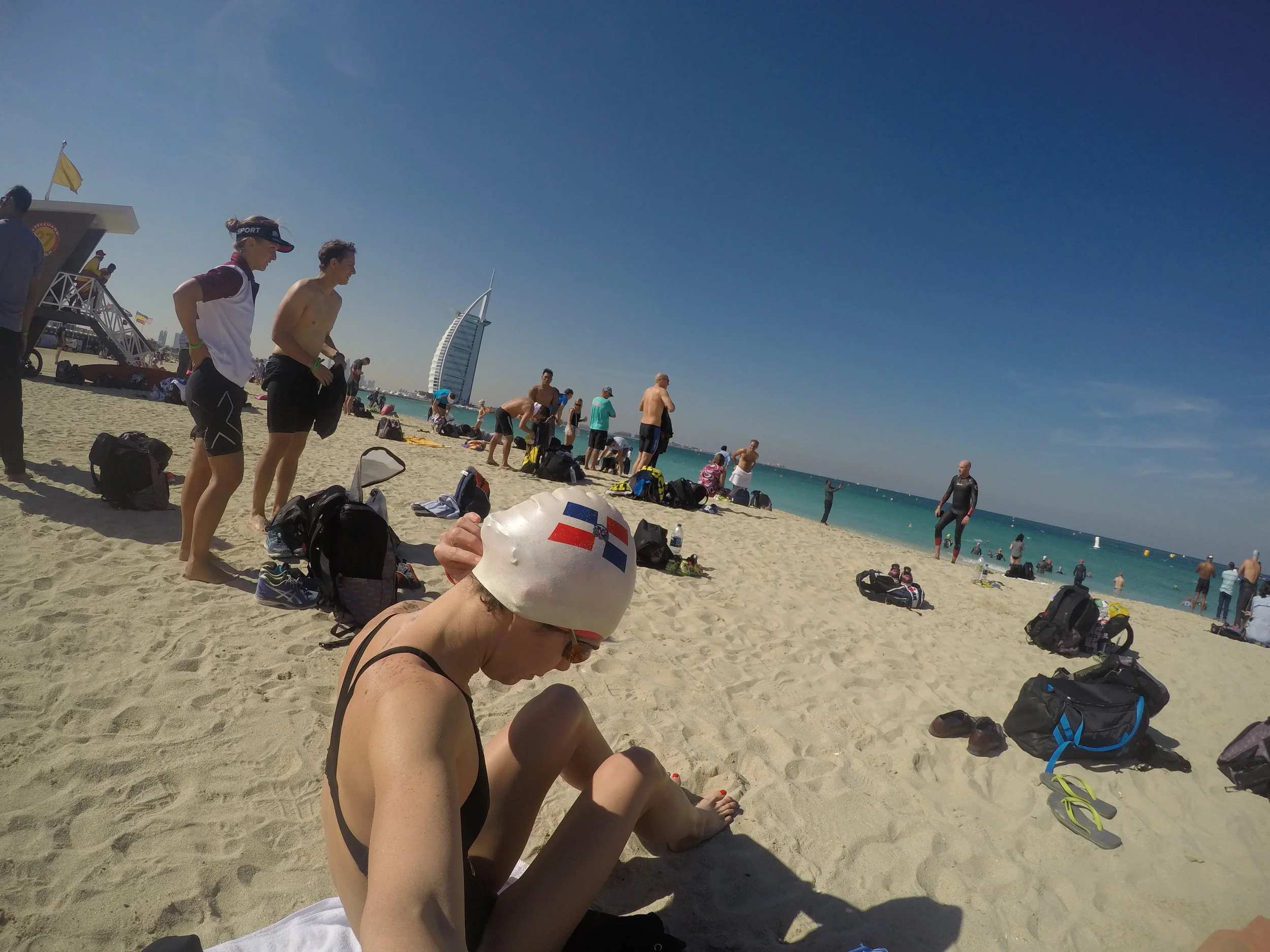
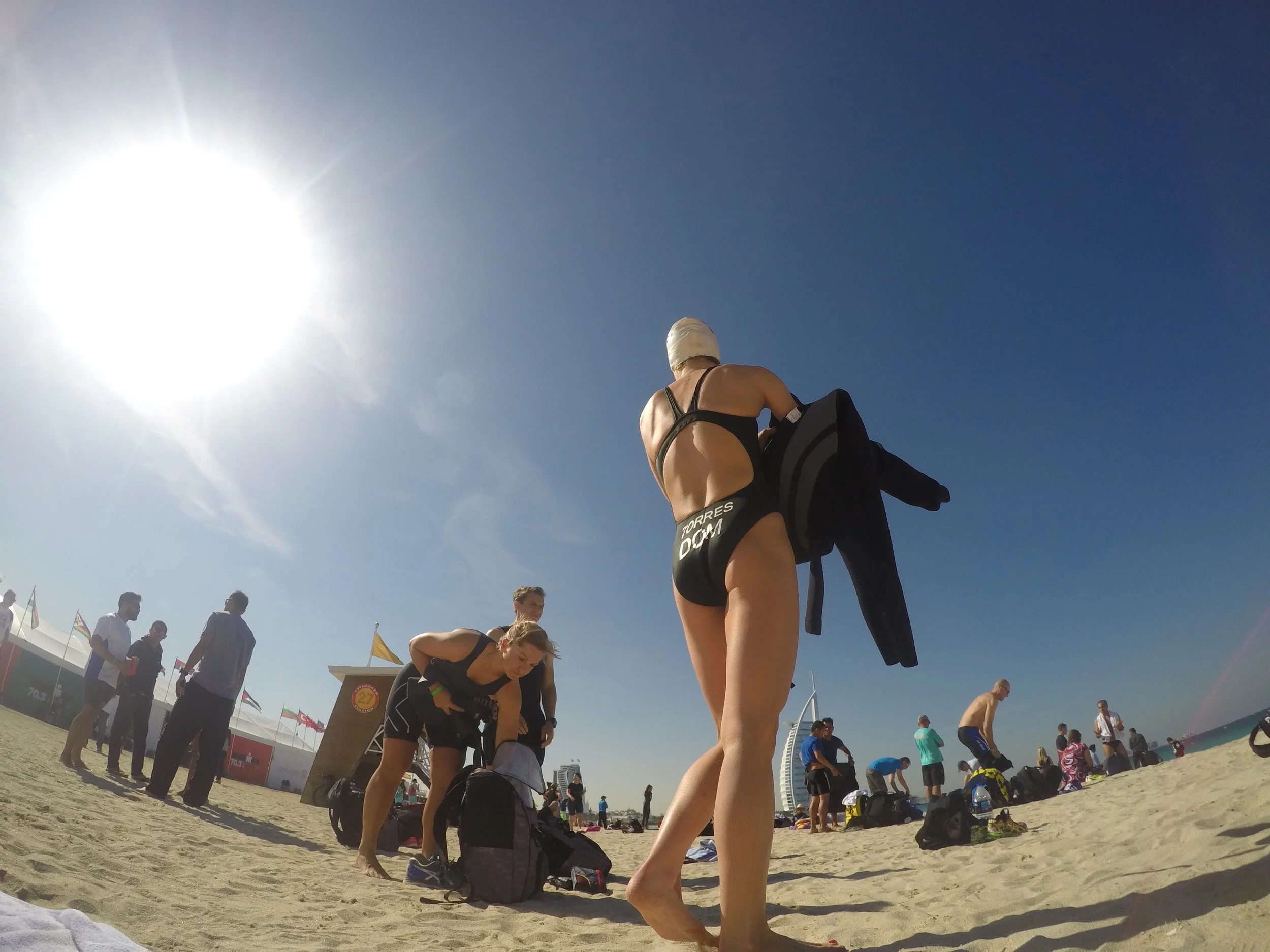
At the start, the Pro category was not allowed to wear wetsuits, and it was very cold. By then, I did not have a skinsuit or race suit, so I raced in a Speedo swimsuit. I tended to get cold easily, and since the water was cold, I did not get into it to warm up. We were all freezing. The men leave, and 3 minutes later, the women.
Ladies, 2 minutes, all the women line up for the start. One of them lined up right next to me and said, “Another F. Race!” I smiled and said “have fun” :)
I was not nervous as I had my race plan ready and, of course, focused on nutrition, my mind my mantra, and enjoying the event.
On your mark!
Swim: I started slowly. A small group formed. I kept a steady pace, and it was a really easy swim, though there were some waves. I was able to keep the same pace throughout the swim.
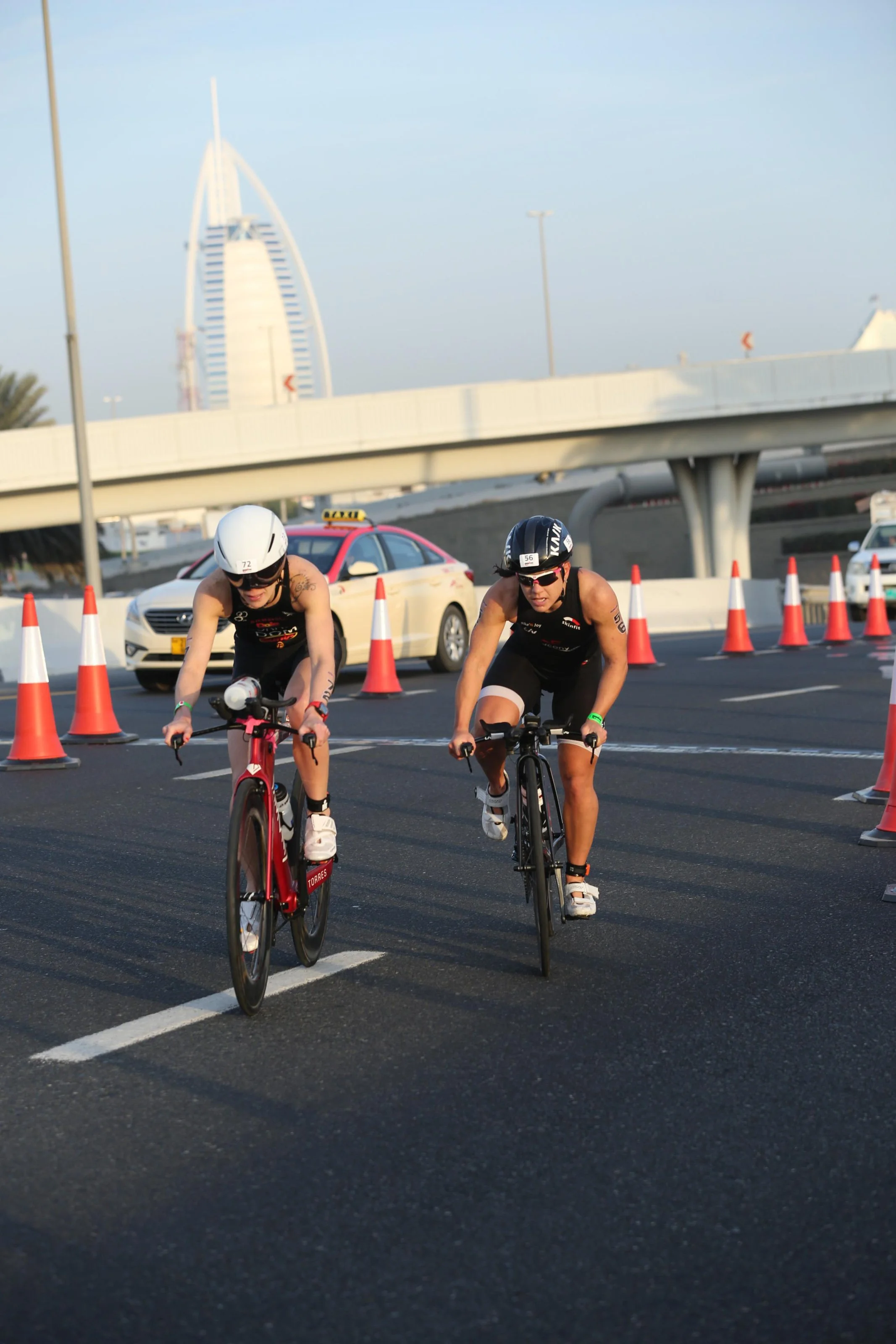
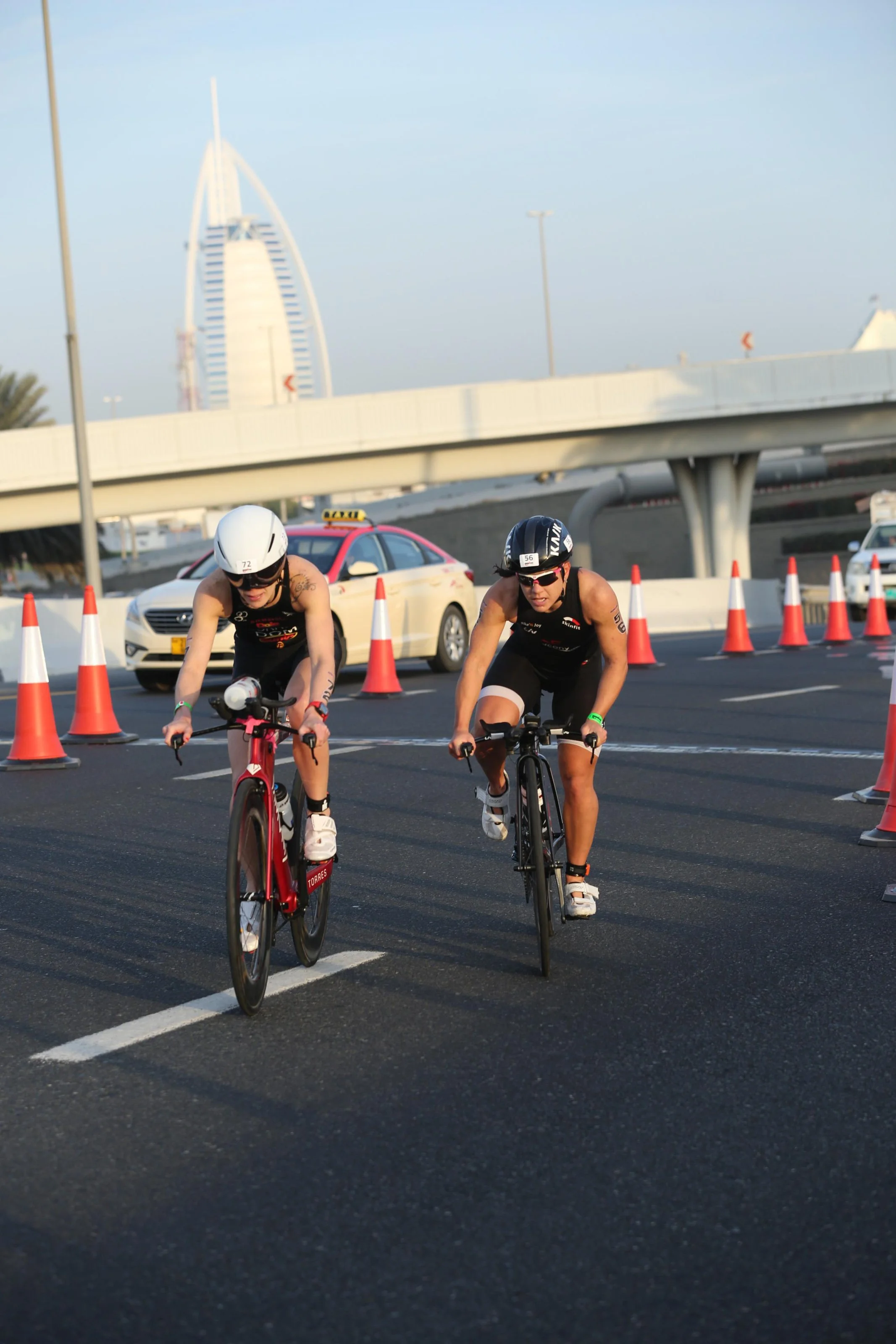
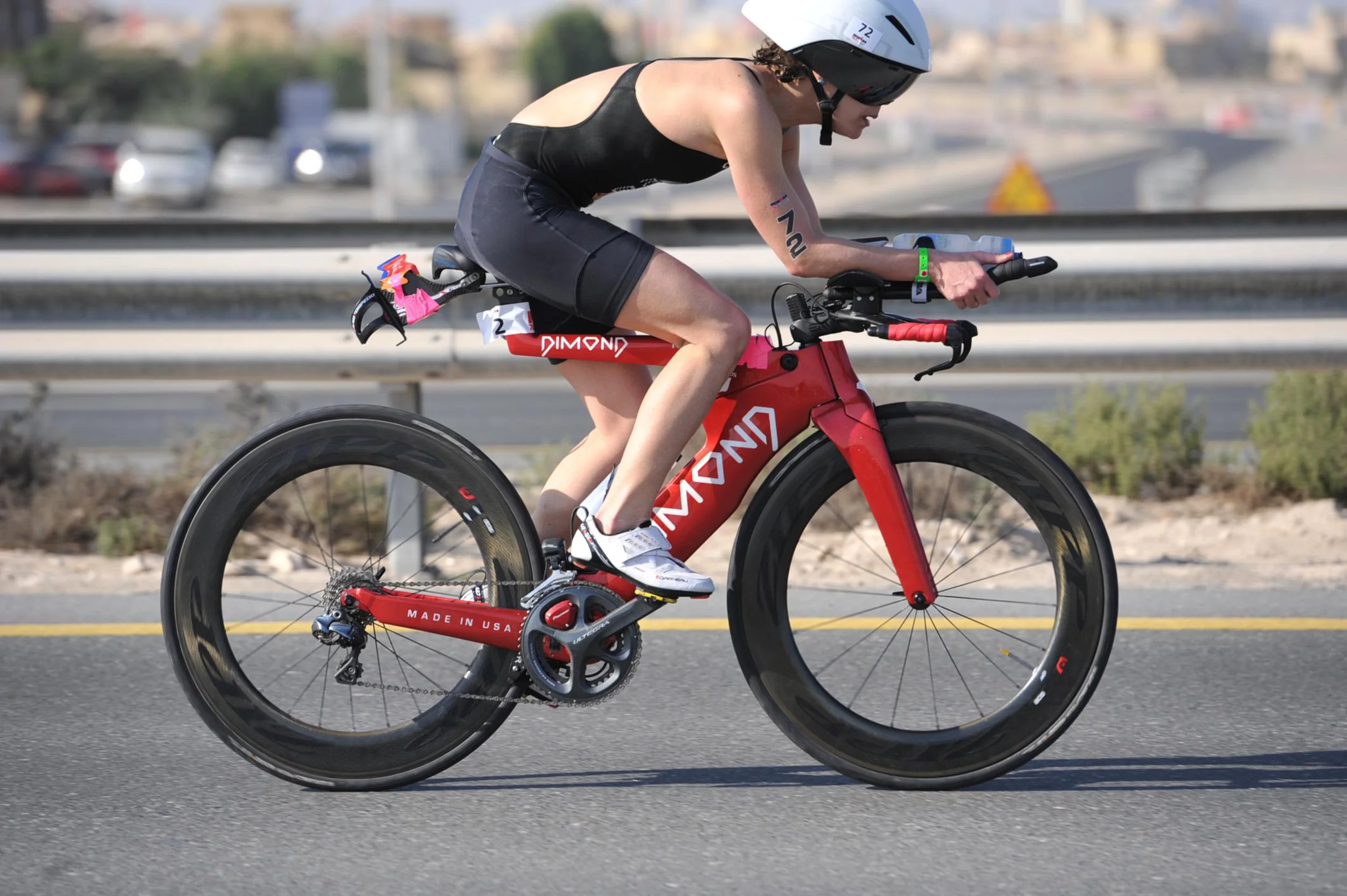
Bike: On the bike was my plan to keep up with hydration and nutrition, which I was able to do well. I worked on the watts with Coach Mark to keep them at an average of 210 watts, and I was able to hold that pace without problems. I was breaking the race in micro-moments, thinking about the now and here.
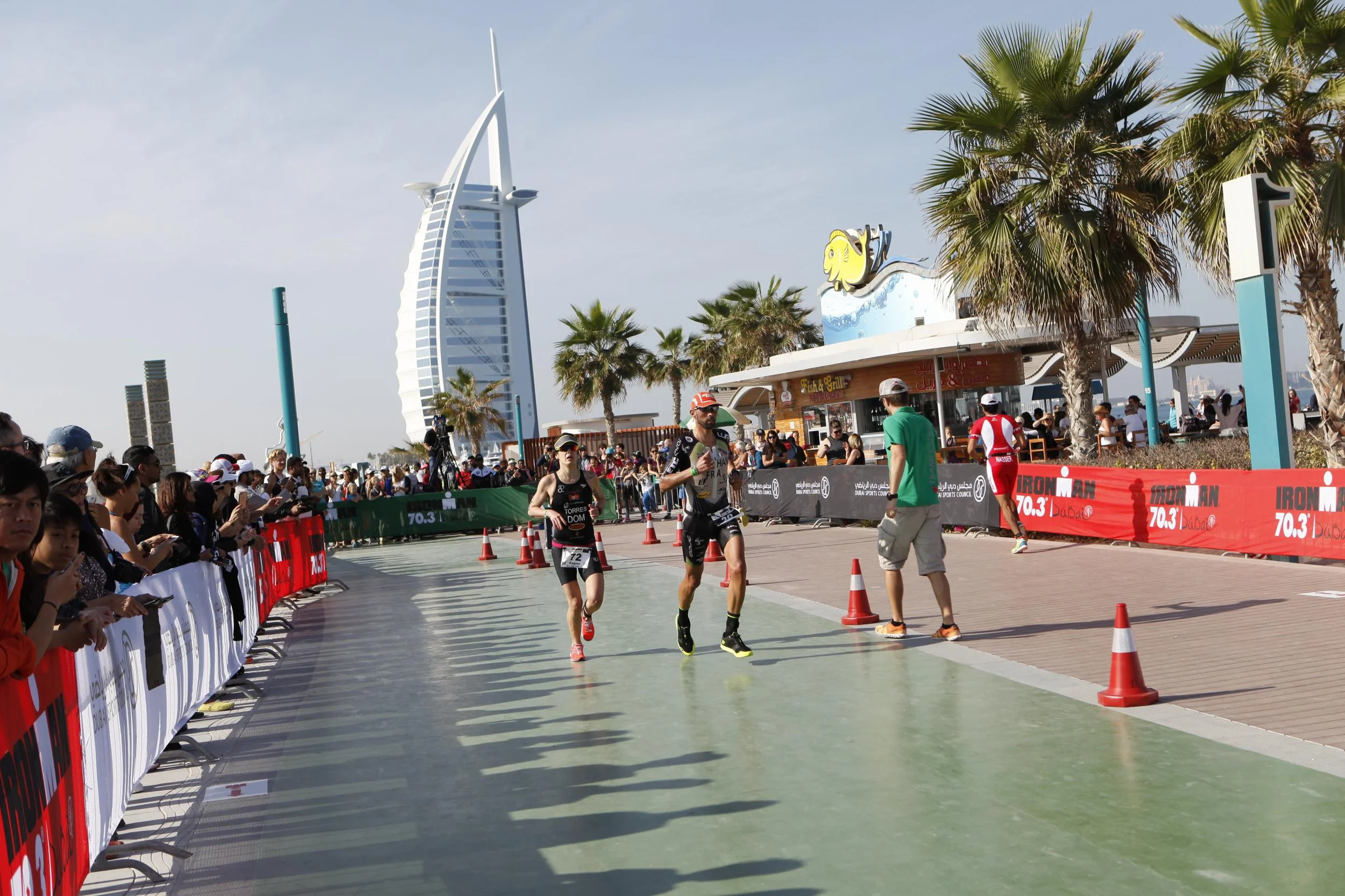
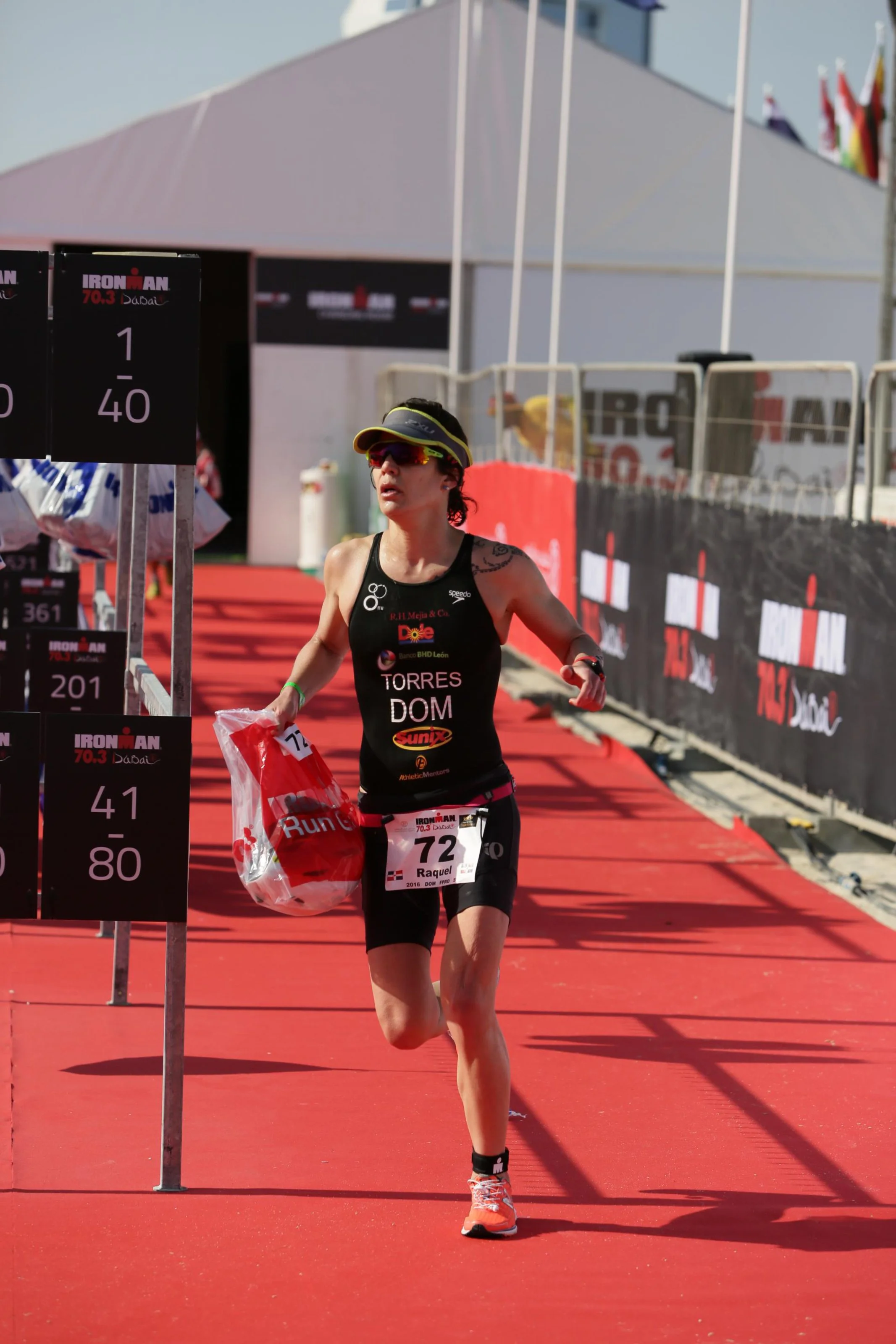
Run: The initial plan was to maintain a pace of 4:20 min/km and stay hydrated. I was concerned about pain in my foot, but it only bothered me for the first 5 km. Someone ran in front of me, and I fell, but I quickly got up and kept running. I cut myself a bit, and the first aid people came right away to assist me, and I told them I was OK. I had my pace, and at 10 km I remembered that I had forgotten to wear my socks! Right then, I had some blisters, but I just said, “Raquel, just do the best you can!”
Conclusion:
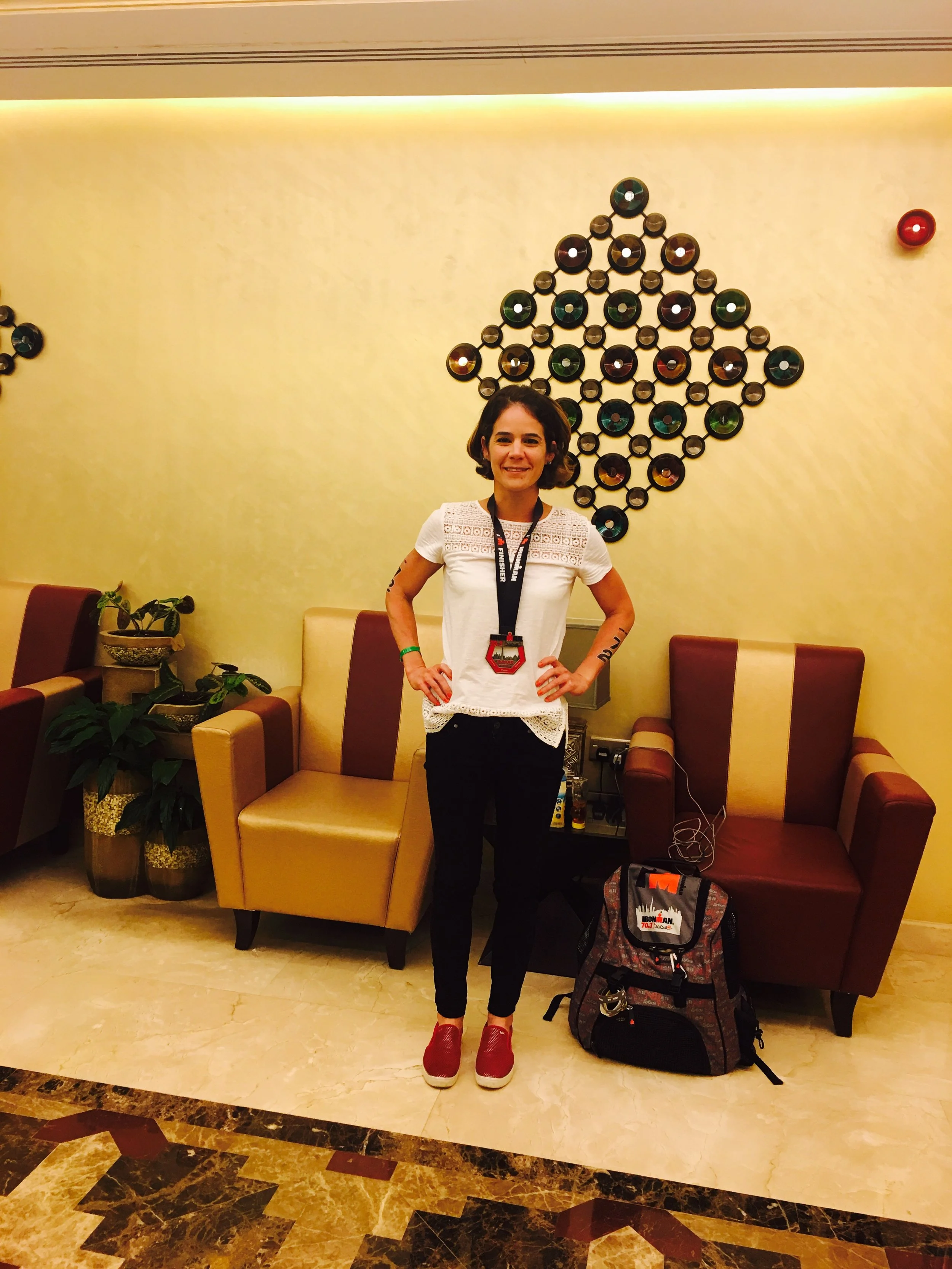
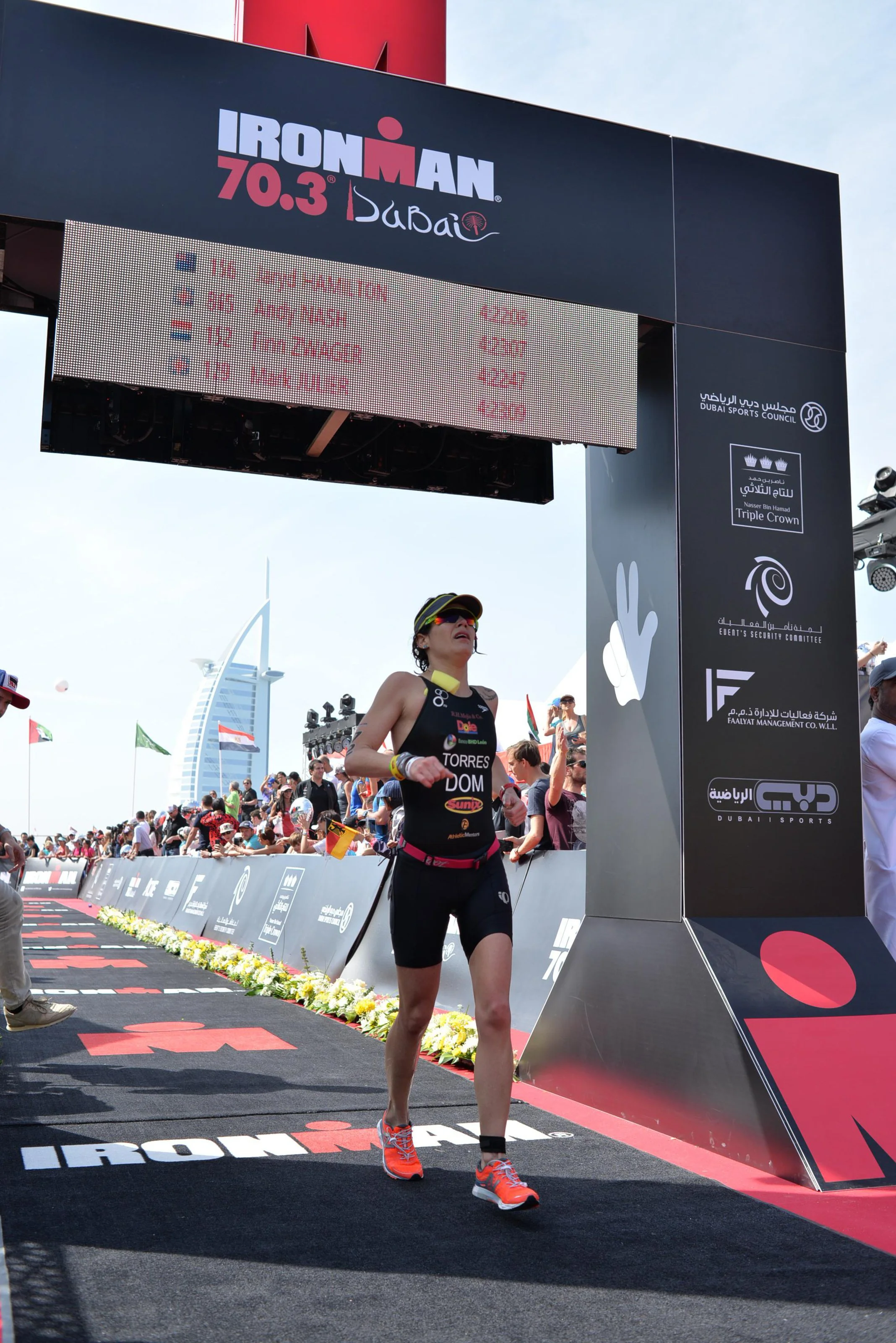
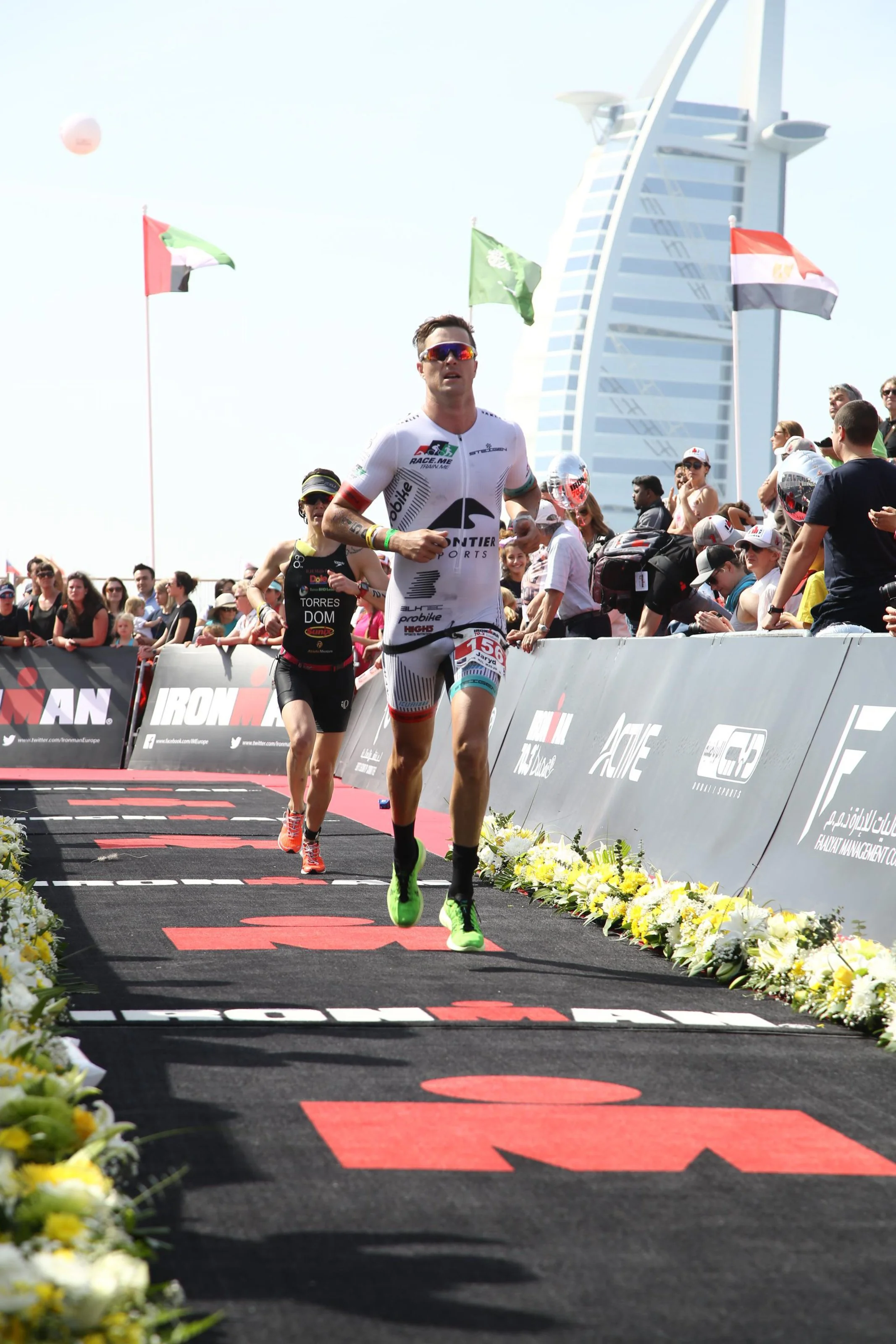
I admit that I cried with happiness when I crossed that finish line. Just because I was able to complete it, as only God and I know how many obstacles we had to endure. The satisfaction of knowing that I did my best is priceless. I completed it in 4:32 (4 hours and 32 minutes), finishing 16th in the Pro category.
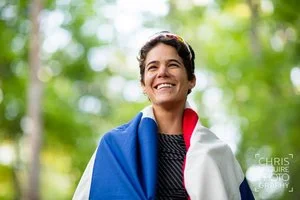
It is an honor for me to represent my flag at the highest level of international triathlons in the long-distance. I believe that we should all challenge ourselves in any area we want to grow, and if we have the passion, it’s a lot more fun to challenge ourselves, always with a positive mindset.