

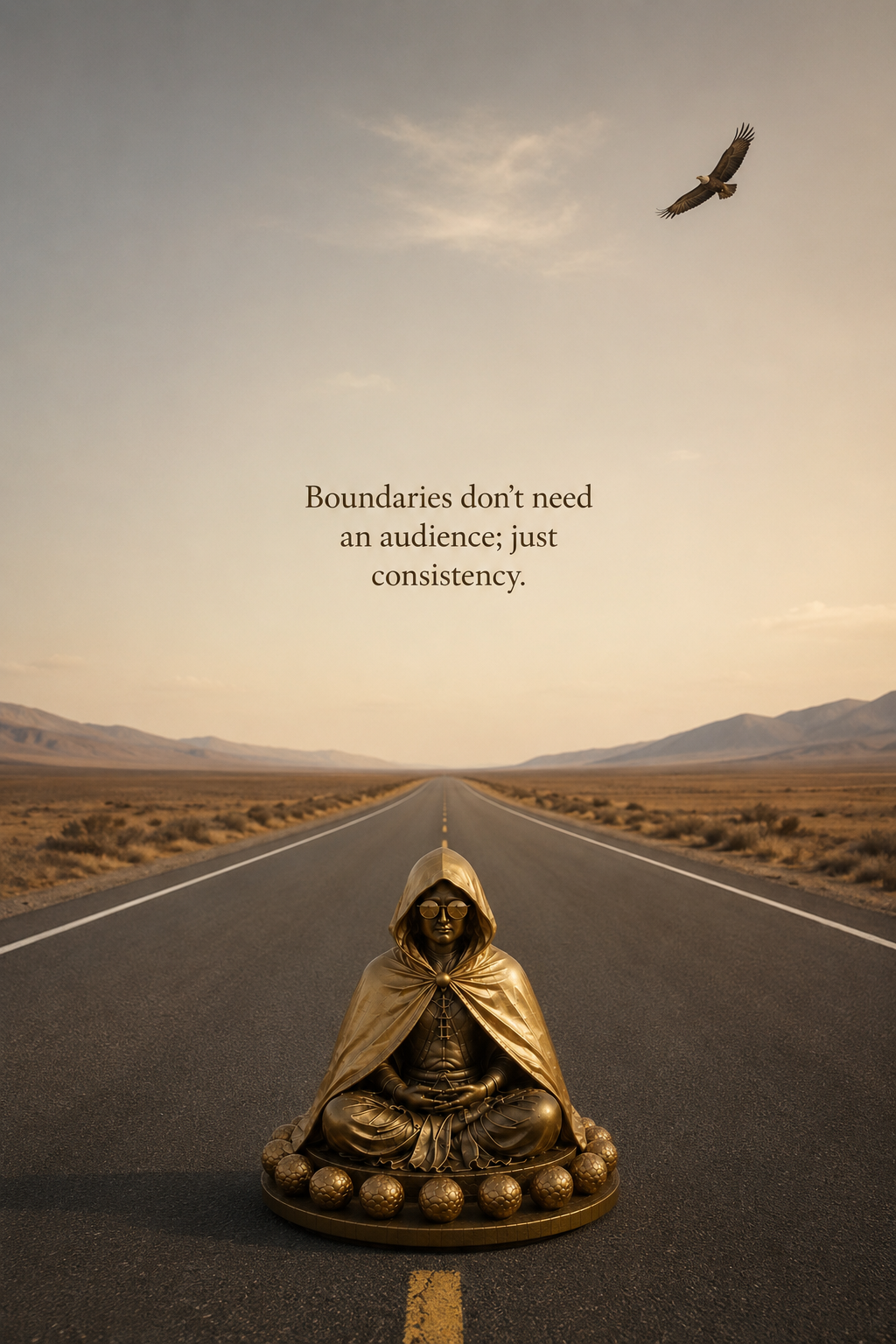
When Manipulation Takes Flight ✈️
In discussions about narcissistic abuse, “flying monkeys” describes people who become extensions of a manipulative person’s agenda; carrying messages, gathering information, applying pressure, spreading rumors, or defending the person who is creating the conflict. The expression comes from The Wonderful Wizard of Oz, where the Wicked Witch sends winged monkeys to do her bidding. Today, it is a popular; not clinical; term in discussions of narcissistic abuse. (Simply Psychology)
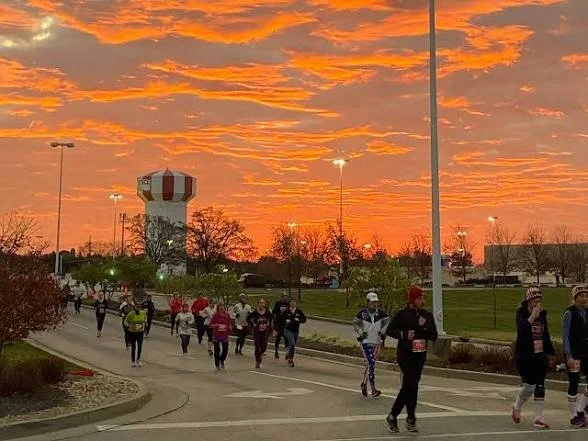
Third Time’s the Charm: A First Place Overall Finish at the Honor Run Half Marathon
Some victories are measured by the clock. Others are measured by personal growth.
Every November, the Honor Run Half Marathon, held in Florence, Kentucky, brings together runners of all levels for a cause that goes far beyond the finish line. Founded in 2014, the event was created to honor military veterans and raise funds for Honor Flight Tri-State, an organization that helps World War II, Korean War, and Vietnam War veterans travel to Washington, D.C., to visit the memorials dedicated to their service. Over the years, the race has raised hundreds of thousands of dollars, allowing hundreds of veterans to experience this meaningful journey.
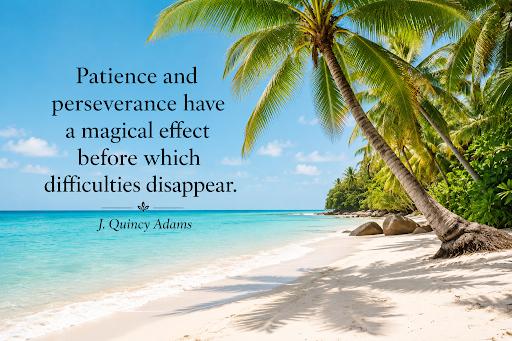
Why Patience Is One of Life’s Greatest Strengths
We need to understand that patience is a skill, not simply a personality trait.
Patience is often misunderstood as simply “waiting quietly,” but true patience is much deeper. It is the ability to remain calm, emotionally balanced, and mentally focused even when life feels uncertain, slow, frustrating, or uncomfortable. Patience is not weakness, passivity, or lack of ambition. In many ways, it is emotional endurance and inner strength.

Heat Stroke: When the Body Overheats Beyond Control
In 2013, I had the honor of receiving a personal invitation from the Dominican Triathlon Federation to represent the country as an elite athlete in the Olympic circuit. It was an incredible opportunity, but also one of the hardest lessons of my athletic life.

What Is Coercive Control? And Why Do “Evil” People Use It?
Coercive control is a deeply harmful pattern of behavior in which one person systematically dominates another to strip away their freedom, independence, and sense of self. It is not a single frightening incident, but a sustained strategy of psychological abuse that builds over time. Often without visible physical violence. While most commonly associated with intimate relationships, coercive control can also occur within families, workplaces, and other social systems.

How Narcissists Use Financial Abuse: Reasons, Methods, and Insights.
Financial abuse is one of the most insidious tools narcissists use to control and exploit others. Unlike physical harm, financial abuse often leaves no visible scars, but it can destroy independence, self-esteem, and long-term security.
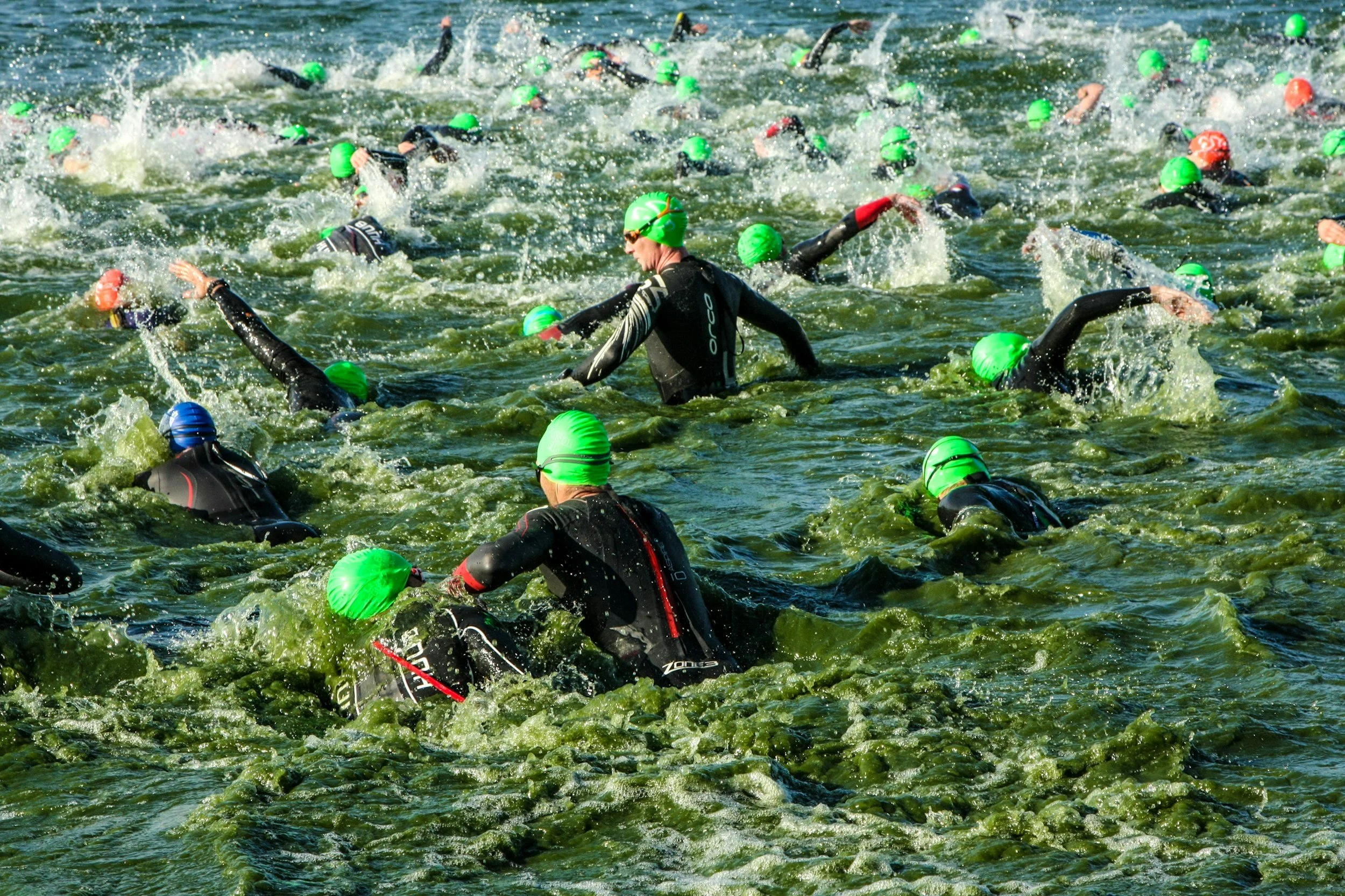
Triathlon Under Pressure: Tough Situations and Smart Solutions
Triathlon offers many benefits that other sports do not. It helps reduce the risk of overuse injuries, provides countless psychological benefits, and—by its very nature—places the athlete in a state of vulnerability to uncontrollable factors such as the environment and the powerful forces of Mother Nature.
The sense of self-improvement, self-control, resilience, and determination are just some of the skills we develop by overcoming the challenges of a triathlon. These experiences strengthen self-confidence and mental toughness.
Below are common situations that can occur in triathlon, regardless of an athlete’s experience or level, along with practical ways to manage them.

Your Moment is Now
According to statistics, one-third of people who make New Year’s resolutions have abandoned them by the end of January.
Many resolutions fail because they aren’t the right ones. A resolution may be “wrong” for one of three main reasons:
It’s based on what someone else (or society) says you should change.
It’s too vague.
You don’t have a realistic plan to achieve it.

The Real Cost of Doping: When the Body and Mind Pay the Price
Some physical signs that may raise suspicion of doping in athletes can include noticeable changes in appearance and behavior rather than performance alone.

Music: Medicine for Mind and Body
The psychological effects of music can be powerful and wide-ranging. Music therapy is an intervention sometimes used to promote emotional health, help patients cope with stress, and boost overall psychological well-being. Some research even suggests that musical preferences can provide insight into different aspects of personality.

Winter Triathlon Training:
Winter is the perfect time to work on swimming technique. With fewer races on the calendar, you can slow things down and focus on body position, breathing, and efficiency. Swimming is highly technical, and small improvements in form can lead to significant gains later. Even one or two focused swim sessions per week can make a noticeable difference when race season returns.
“Winter is where champions are built while everyone else is resting.”

Narcissistic Abuse: Recognizing the Patterns, Protecting Yourself, and Healing
Narcissistic abuse is a subtle yet profoundly damaging form of emotional and psychological harm. Sometimes involves physical violence, but often leaves no visible scars, even as it gradually erodes a person’s confidence, financial stability, emotional and physical safety, and sense of identity. While it most often occurs in partner relationships, it can also emerge in families, friendships, and workplaces.

Finding Balance: The Benefits of L-Theanine, GABA, and Magnesium for Mind & Body Wellness
In today’s fast-paced world, supporting both mental and physical health has become more important than ever. While sleep, nutrition, and movement form the foundation of wellness, certain supplements have gained attention for their calming and restorative effects. Among the most talked about are L-theanine, GABA, and magnesium—three powerful allies that work with the body to promote balance, relaxation, and overall well-being.

Take the Reins: How Your Locus of Control Shapes Your Life
In psychology, locus of control refers to the degree to which people believe they have control over the outcomes in their lives. Introduced by psychologist Julian Rotter in 1954, the concept remains central in understanding motivation, behavior change, and resilience. Our locus of control influences how we interpret success, failure, and stress, and how we assign personal responsibility, ultimately shaping how we navigate challenges.
Although locus of control exists on a spectrum, it is usually described in two categories: internal and external.
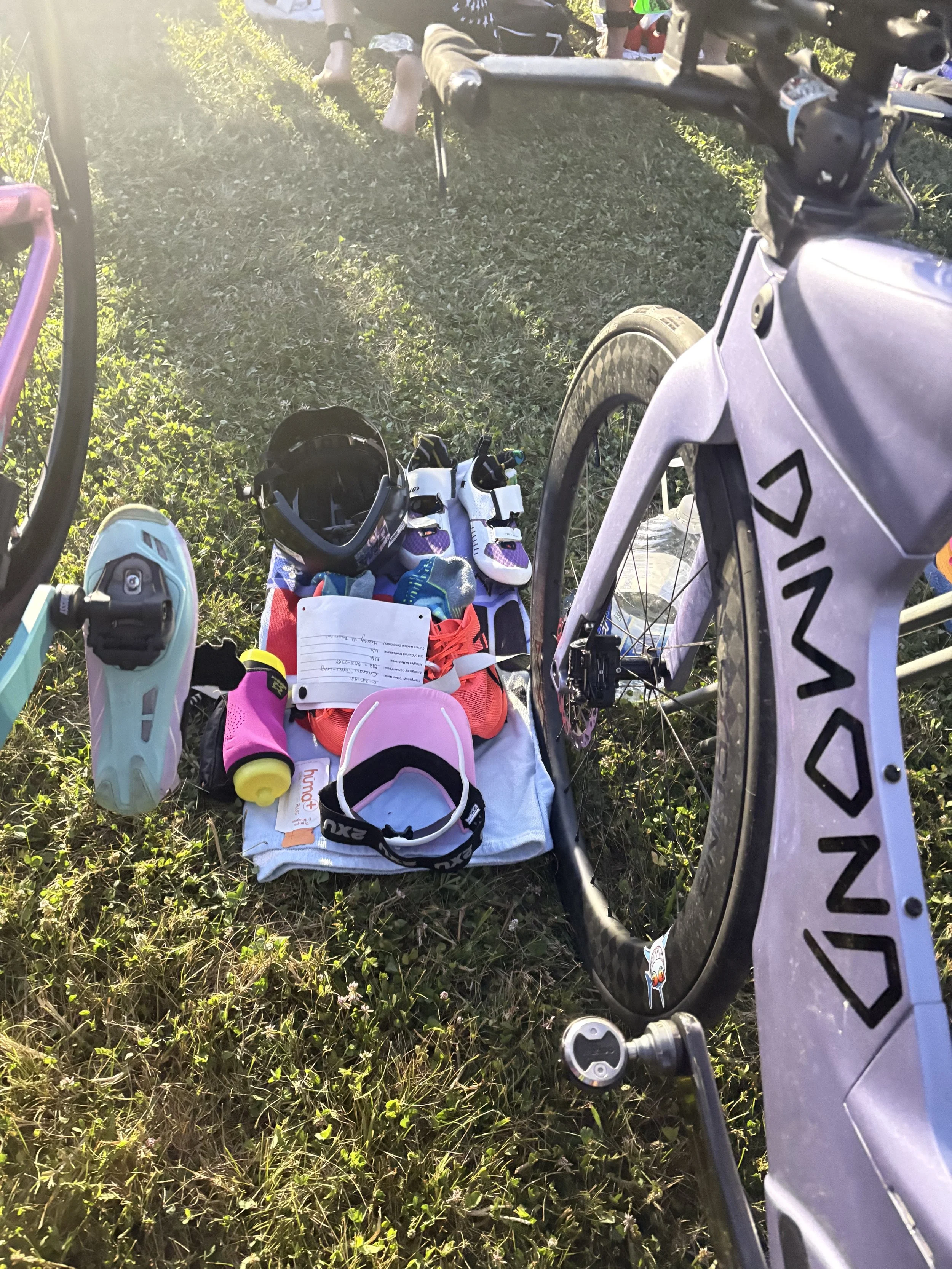
From Couch to Triathlete
What Is a Sprint Triathlon?
A sprint triathlon usually includes:
🏊 Swim: 750 meters
🚴 Bike: 20 kilometers
🏃 Run: 5 kilometers
It’s a fun, manageable way to enter the triathlon world. Most first-timers train about 4–6 hours per week, focusing on steady progress rather than perfection.
💡 You don’t need fancy gear; just commitment and a plan.
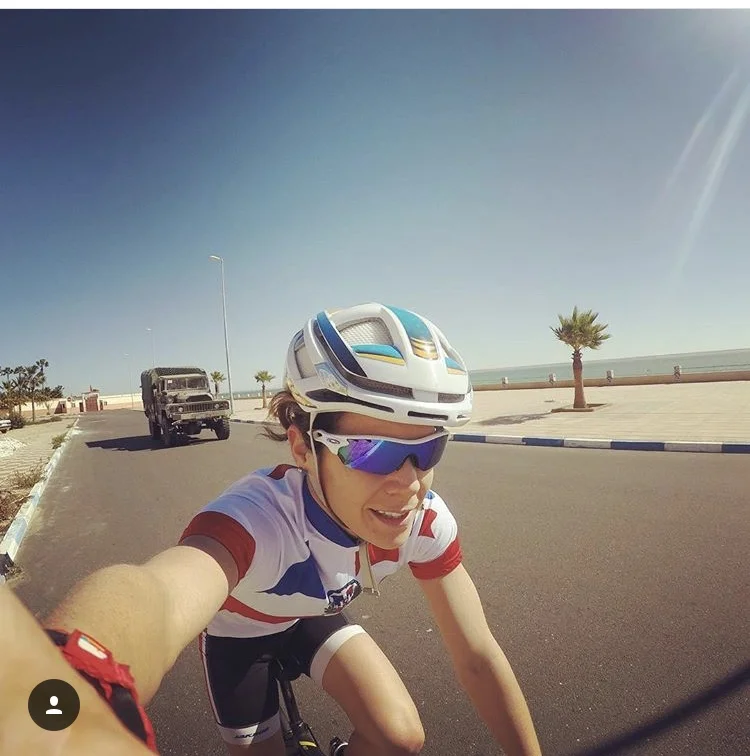
My Experience at the ITU Cup in Morocco | Triathlon African Cup
One of my goals in triathlon has always been to gain experiences, share them, and use social media positively, learning from both the good and the not-so-good moments.

A History Timeline About Triathlon
Triathlon roots initiated in France in the early 1900s. The first recorded triathlon was held in the French town of Joinville-LE-Point in 1901, which included a 3km run, a 12km bike ride, and a swim across the Marne River.
However, the modern-day triathlon as we know it today was born in San Diego’s Mission Bay, California, in 1974. It was organized by the San Diego Track & Field Club as an alternative to the rigors of track training, and a total of 46 athletes completed the race that included a 5.3-mile run, a 5-mile bike race, and a 600-yard swim; they developed the idea for this event, aiming to combine different sports into a single competition. John Collins, who participated in this event, later helped found the Ironman race in Hawaii.
The Ten Thousand Rule
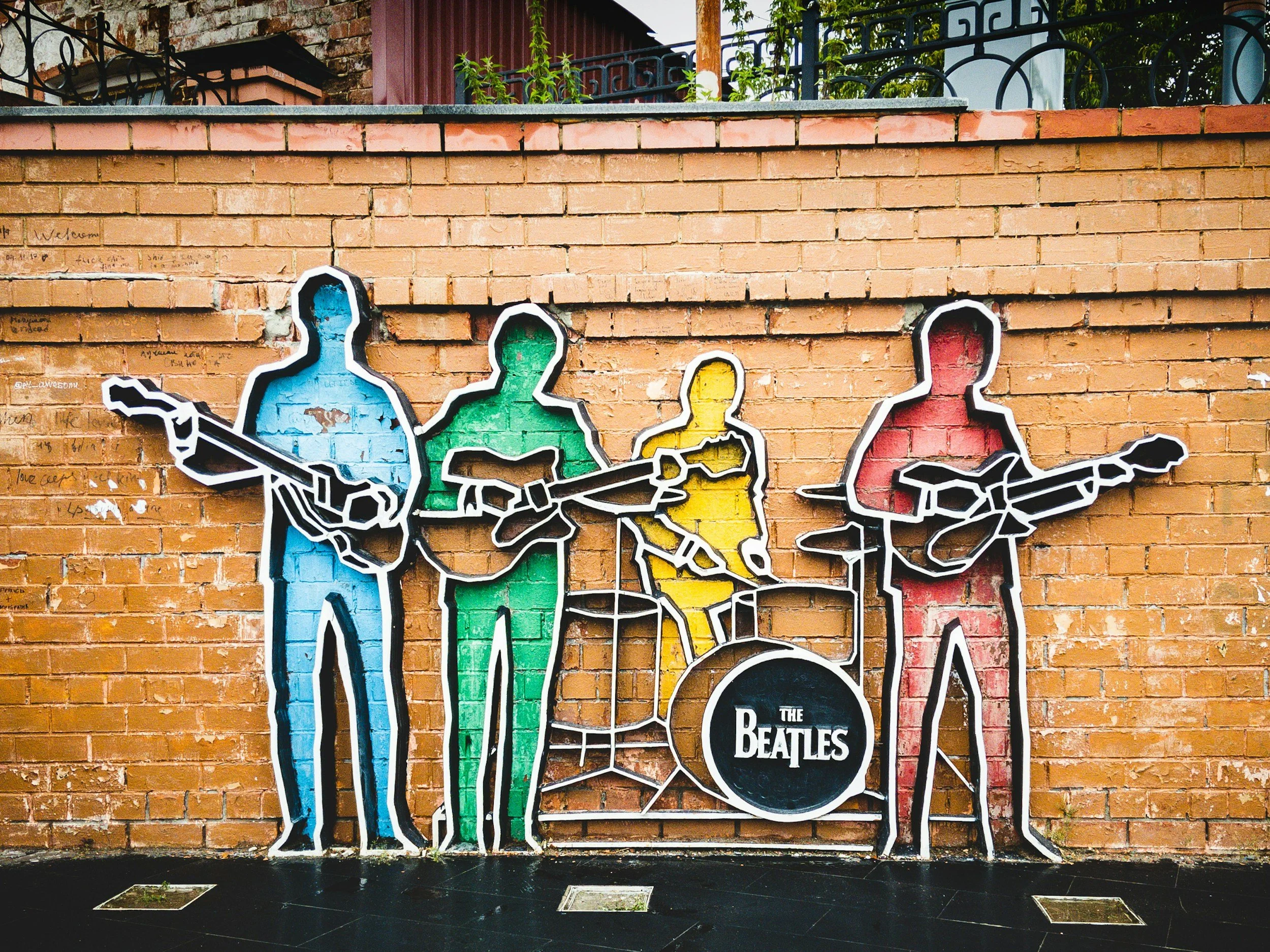
Gladwell introduces the concept of the "10,000-Hour Rule" and how it helped the Beatles become world-famous musicians by providing them with the opportunity to perform live as a group in Hamburg, Germany, over 1,200 times between 1960 and 1964. Although they initially started at nightclubs, they accumulated more than 10,000 hours of playing time by playing nonstop.
Throughout his book, Gladwell repeatedly refers to the "10,000-hour rule," asserting that the key to achieving actual expertise in any skill is simply a matter of practicing, although correctly, for at least 10,000 hours.
This, however, is an oversimplification. Gladwell later describes how environment, family, culture, and friendship are all critical to an individual's success.

Inspiration, Motivation & Discipline
Inspiration and Motivation are often entangled, and people think they mean the same thing. Understanding the difference can help us on our wellness journey.
Merriam-Webster defines “Inspiration” as something that makes you want to do or create something. “Motivation,” on the other hand, means giving someone a reason to take action, and “Discipline” is defined as self-control.
Which one is most important: inspiration, motivation, or discipline? You need all three. Inspiration helps you decide to make a change. Motivation drives you to act on those new habits or projects. Discipline, however, leads to real results. It keeps you going even on days when you feel unmotivated. Discipline helps you through tough times.
What Are Micro Habits?
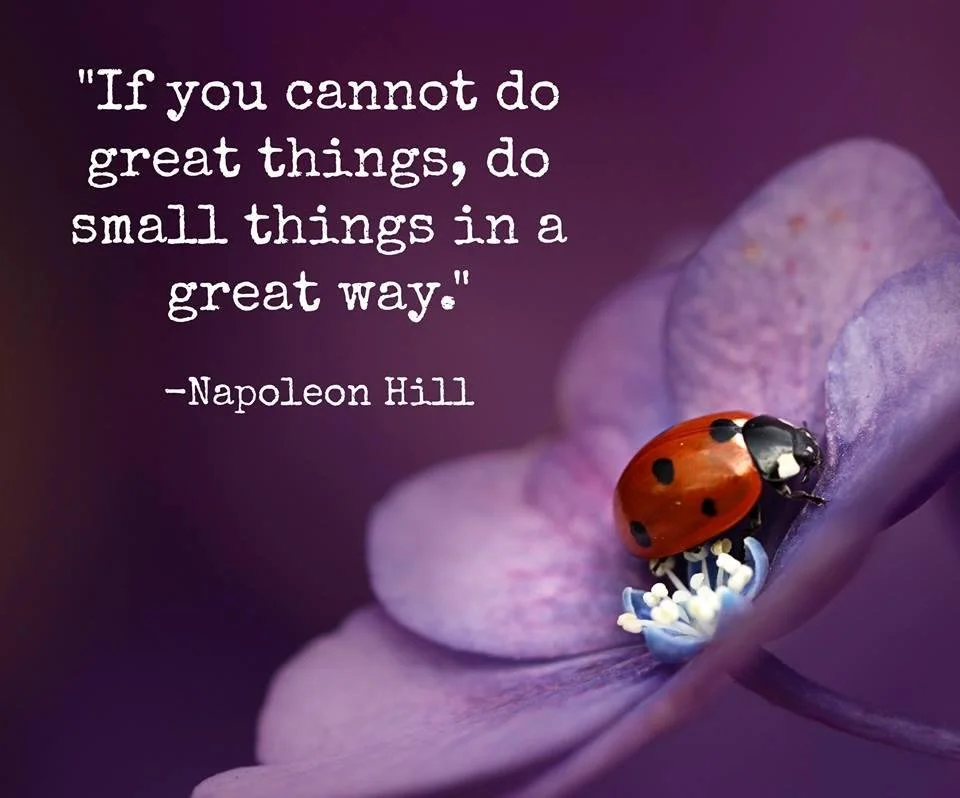
Our brains are wired to form habits through a cue , routine, and reward loop. Once a habit is formed, it becomes automatic, requiring much less effort to maintain over time. That's why small habits are so powerful. They sneak into our routines and start making a difference without us even realizing. Small habits can trigger a domino effect, which leads to much more significant changes over time.