Heat Stroke: When the Body Overheats Beyond Control
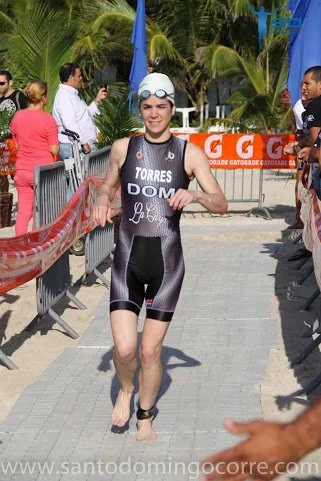
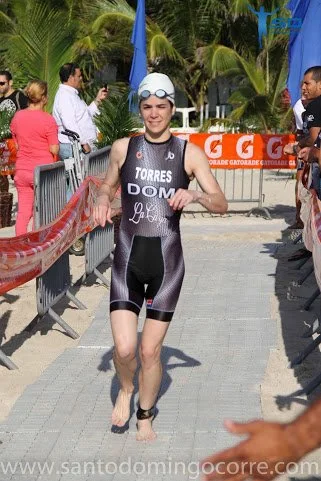
In 2013, I had the honor of receiving a personal invitation from the Dominican Triathlon Federation to represent the country as an elite athlete in the Olympic circuit. It was an incredible opportunity, but also one of the hardest lessons of my athletic life.
In 2013, I had the honor of receiving a personal invitation from the Dominican Triathlon Federation to represent the country as an elite athlete on the Olympic circuit. It was an incredible opportunity, but also one of the hardest lessons of my athletic life.
By then, I had started triathlon again in 2012 after nearly 15 years away from the sport, training through the winter in Michigan, mostly in controlled environments.
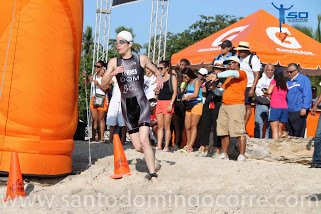
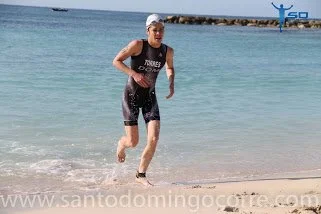
Then suddenly, I was racing an Olympic-distance triathlon in nearly 98°F heat in the Dominican Republic.
I wasn’t adapted. I wasn’t fully ready.
I remember Coach Mark telling me to “dig deep.” That phrase stayed with me, but the race reminded me that “deep” isn’t always about pushing harder… sometimes it’s about awareness and control.
During the race, in the 10K run, everything changed. Around the first 5K, I started to feel dizzy. My body was no longer responding the way I knew it should. Then I lost awareness. I kept moving, but not consciously, zigzagging, disconnected, running purely on instinct.
I crossed the finish line… and collapsed.
In the medical tent, I remember a deep, overwhelming feeling: I thought I was going to die.
That experience was an “exertional heat stroke”.
What is Heat Stroke?
Heat stroke is the most severe form of heat-related illness. It occurs when the body’s temperature rises above 104°F (40°C), and the body can no longer regulate its internal heat.

There are two main types:
Classic heat stroke: caused by environmental heat exposure
Exertional heat stroke (EHS): caused by intense physical activity in hot or humid conditions
In athletes, it’s almost always exertional.

Why Does Heat Stroke Happen?
Your body constantly tries to maintain a stable internal temperature (~98.6°F). It cools itself mainly by:
Sweating (evaporation)
Increasing blood flow to the skin
But during intense exercise:
Muscles generate large amounts of heat
High temperatures + humidity reduce cooling
Dehydration limits sweat production
When heat production exceeds heat loss, body temperature rises dangerously.
At that point, the system fails.
What Happens in the Body and Mind
Heat stroke is not just “overheating”, it’s a full-body crisis.
In the body:
Core temperature skyrockets (>104°F)
The cardiovascular system becomes overloaded
Cells begin to break down
Organs (kidneys, liver, muscles) can fail
Inflammation spreads through the body
In the brain:
Confusion
Loss of coordination
Delirium
Loss of consciousness
That “out of my mind” feeling I experienced? That’s central nervous system dysfunction, a defining feature of heat stroke.
Why It Happens in Athletes
Athletes are particularly at risk because:
They generate extreme internal heat
They push through discomfort
They often compete in challenging environments
They may not be heat-acclimatized
Heat stroke is actually the third leading cause of death in athletes during physical activity.
In triathlon specifically:
High intensity (especially during the run) increases risk
Events often occur in hot conditions
Dehydration is common
Even elite athletes are not immune.
How Common Is It in Triathletes?
The good news: it’s relatively rare, but not negligible.
About 1.74 cases per 10,000 athletes in triathlon events
Heat-related issues (like dehydration/exhaustion) account for 58–72% of medical cases in long-distance races
However, under extreme conditions or poor preparation, the risk rises significantly, especially early in the season or when athletes are not heat-adapted.
Sources: USA Triathlon data; published research on triathlon medical incidents and endurance heat illness.
How to Prevent Heat Stroke
This is where experience becomes wisdom.
1. Heat acclimatization
Gradually train in hot conditions over 2 weeks.
2. Hydration
Start hydrated and maintain fluid intake during activity.
3. Respect the environment
Heat + humidity is far more dangerous than temperature alone.
4. Know the warning signs
Dizziness
Confusion
Unusual fatigue
Loss of coordination
5. Adjust expectations
Sometimes the strongest decision is to slow down.
Why This Matters
Heat stroke is a medical emergency. Mortality rates can reach ~27%, and survivors may have long-term complications.
But it is also preventable.







Final Reflection
That race in the Dominican Republic changed me, not just as an athlete, but as a human.
It taught me that toughness is not just about pushing harder.
It’s about understanding your body, respecting the environment, and making smart decisions under pressure.
Because sometimes, the finish line is not the victory.
Listening to your body is.