
Winter Triathlon Training:
How to Stay Fit When the Weather Doesn’t Cooperate
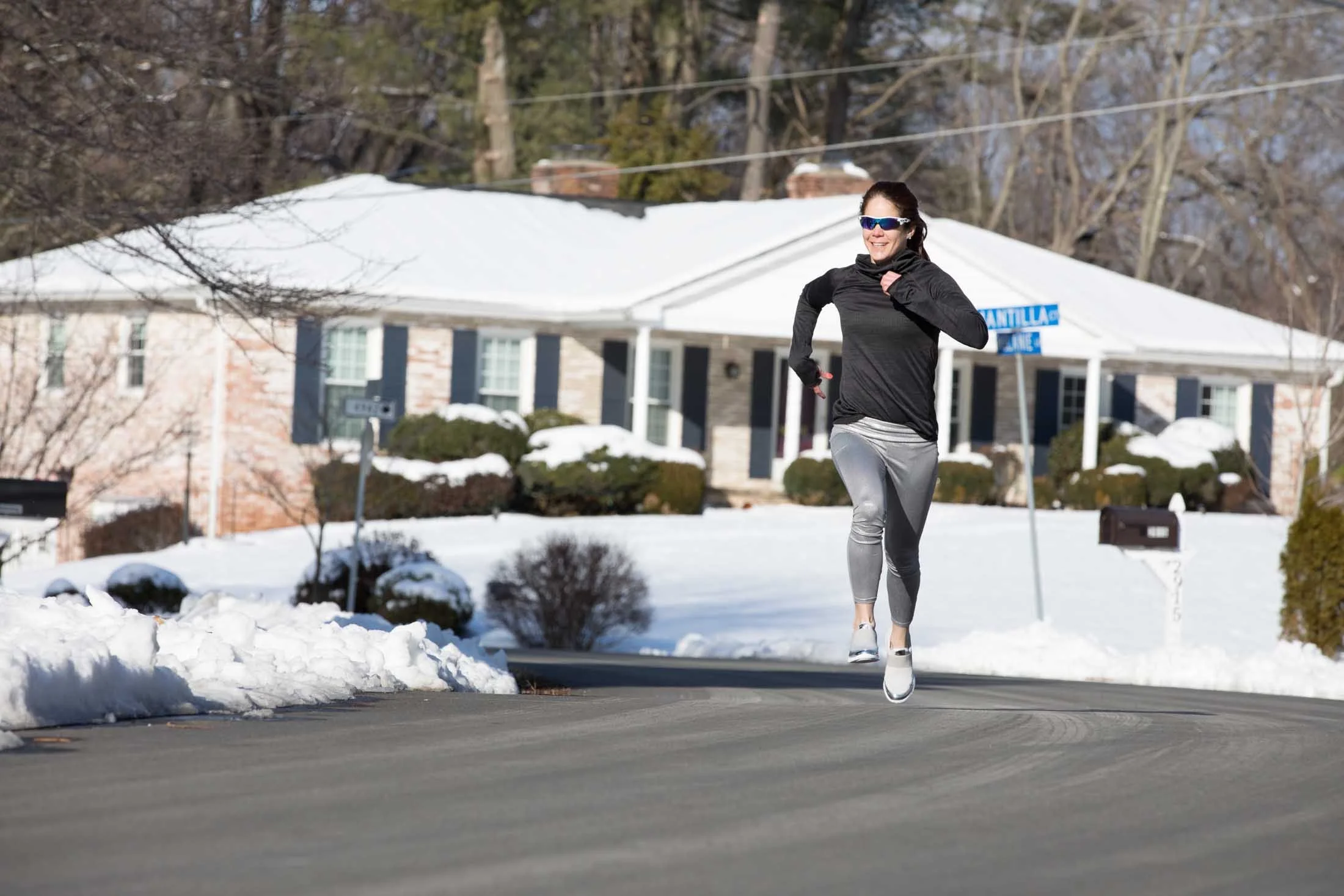
When winter arrives, many triathletes instinctively slow down or take a long break from training. Cold temperatures, snow, short days, and icy roads can make motivation hard to find. But winter doesn’t have to derail your progress. In fact, it can be one of the most productive training seasons of the year — if you approach it the right way.
The key to winter training is adaptation. Instead of fighting the weather, use it to focus on areas that are often neglected during race season: technique, strength, and consistency.
Swim: Build Technique, Not Just Fitness
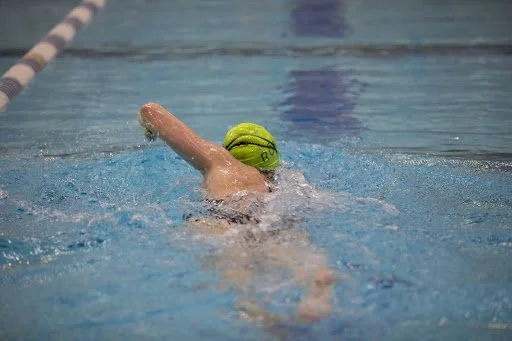
Winter is the perfect time to work on swimming technique. With fewer races on the calendar, you can slow things down and focus on body position, breathing, and efficiency. Swimming is highly technical, and small improvements in form can lead to significant gains later. Even one or two focused swim sessions per week can make a noticeable difference when race season returns.
“Winter is where champions are built while everyone else is resting.”
Flexibility: The Secret to a Smoother, Faster Swim Stroke
Flexibility is often overlooked in swimming, but it’s key to efficiency and injury prevention. Greater shoulder, hip, and ankle mobility enables you to reach farther, rotate more effectively, and maintain a streamlined position in the water. The result? Less drag, more power, and faster swimming with less effort. Incorporating regular flexibility exercises or stretching routines into your training can significantly improve your stroke, range of motion, and overall swimming performance.
Now, with more experience, I swim faster and with better endurance than I did in 2013. Focusing on technique in the winter has helped me refine my stroke and swim smarter, not just harder.
Bike: Indoor Training That Actually Works

Indoor bike training is one of the most effective ways to improve cycling performance. Using a trainer lets you control intensity and focus on high-quality workouts instead of battling cold winds or unsafe roads. Platforms like Zwift make indoor riding far more engaging by adding virtual courses, races, and structured workouts. Winter is an ideal time to build power through shorter, high-intensity sessions that increase strength and efficiency.
Training indoors also offers an excellent opportunity to prepare for the heat. Riding in a controlled, warm environment while practicing proper hydration—even during winter—helps your body adapt and prepares you for warmer race conditions.
Run: Embrace the Treadmill

Running outside in winter isn’t always safe, especially on icy or snowy surfaces. The treadmill is a smart alternative that reduces injury risk and allows for consistent training. It’s also an excellent tool for improving running form and mental toughness. Speed intervals, steady pacing, and slight incline adjustments can make treadmill sessions challenging and effective.
When conditions allow, outdoor runs are still valuable. Dress in layers or high-quality winter gear, warm up properly, and prioritize safety over distance or pace.
Compared with my early years, I’m now a faster, more efficient runner. Winter treadmill sessions helped me build speed and maintain consistency even when the weather was harsh.

Strength and Core: Build the Foundation.
Winter is a strength season. Short, focused strength and core workouts improve stability, posture, and power transfer across all three disciplines. Even two brief sessions per week can help prevent injuries and make you a stronger, more resilient athlete.
Stay Motivated—Stay Disciplined!
“Cold days reveal warm hearts and disciplined minds.”
Set small, achievable goals for each workout. Focusing on one skill or objective at a time keeps training purposeful and enjoyable. Remember, consistency matters more than perfection.
Winter isn’t a setback — it’s an opportunity. Train smart, stay consistent, and when spring arrives, you’ll be stronger, faster, and ahead of those who chose to wait.
“If you can train in winter, you can win in any season.”
