
Triathlon Under Pressure: Tough Situations and Smart Solutions
Triathlon offers many benefits that other sports do not. It helps reduce the risk of overuse injuries, provides countless psychological benefits, and—by its very nature—places the athlete in a state of vulnerability to uncontrollable factors such as the environment and the powerful forces of Mother Nature.
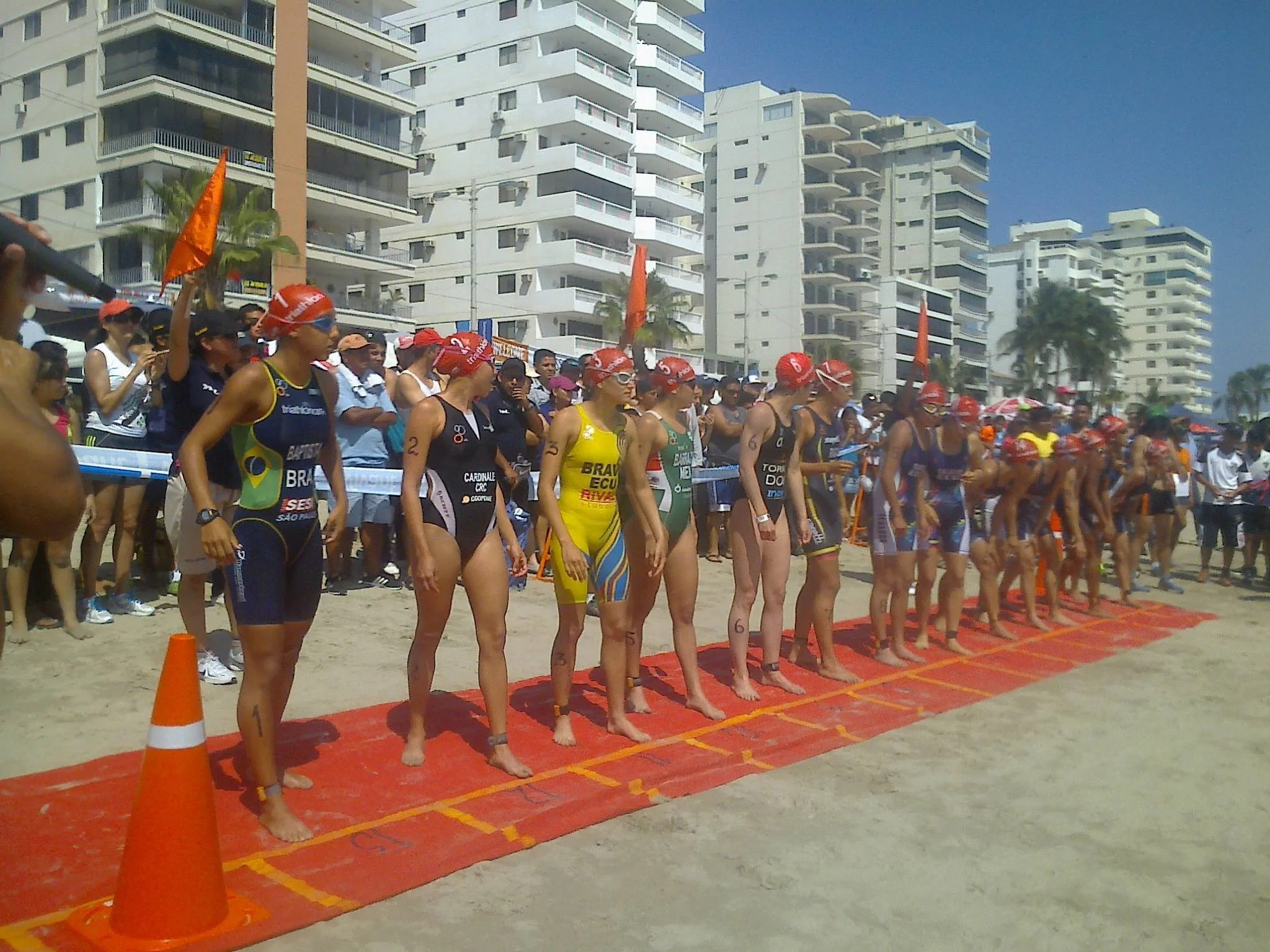
The sense of self-improvement, self-control, resilience, and determination are just some of the skills we develop by overcoming the challenges of a triathlon. These experiences strengthen self-confidence and mental toughness.
Below are common situations that can occur in triathlon, regardless of an athlete’s experience or level, along with practical ways to manage them.
Swimming
Water inside the goggles or poor visibility
It is common for water to enter the goggles, for them to fog up, or even fall off due to accidental contact with another athlete.
Solution:
Stay calm, breathe deeply, and find open space. Fix the issue properly and take the necessary time to do so. It is better to correct your goggles than to continue without visibility and waste more time and energy later.
Losing direction or going off course
This can happen in the water, on the bike, or during the run. In swimming, it often occurs when following other athletes, losing visibility, or losing orientation.
Solution:
Stop briefly, refocus, find the correct direction, swim straighter, and sight forward more frequently.
On the bike and run, study the course beforehand and memorize the number of laps required. Counting laps is always the athlete’s responsibility, and failing to do so can result in disqualification.
Shortness of breath or disrupted breathing rhythm
This happens to everyone at some point, due to factors such as cold water, lack of warm-up, starting too fast, nerves, or adrenaline.
Solution:
Deep breathing and positive thinking help regulate your rhythm. For open-water events, especially during the first meters, many experts recommend breathing every two strokes to ensure adequate oxygen delivery to the brain and body. This advice applies to race day, not necessarily to training sessions.
Heavy or numb arms and legs
During swimming, you may experience heaviness or numbness in your limbs, often due to lactate accumulation.
Solution:
Focus on breathing more frequently, stay calm, and maintain a positive mindset. This sensation usually fades within minutes. If necessary, float on your back or hold onto a kayak or boat to recover (this is allowed).
Transition and Cycling
Dizziness when exiting the water
It is normal to feel dizzy, lose balance, or experience blurred vision when transitioning from a horizontal to a vertical position.
Solution:
#NoShame. Take your time, breathe deeply, smile, and continue. Transitions can also be a chance to recover when needed.
Needing to use the restroom before the start
This often happens right before the race begins.
Solution:
Carry toilet paper or wet wipes and mentally plan when you will use the restroom before the start.
Not finding your bike or equipment
With hundreds of bikes in transition, confusion is common.
Solution:
Stay calm and ask for help if needed. Study your transition area before the race. A useful tip is to place a brightly colored towel under your equipment to easily identify your spot.
Mechanical issues or flat tires
Most triathlons provide technical support, although it may not be immediate.
Solution:
Stay calm. In longer races (over two hours), it is often worth fixing the issue and continuing, even if you lose time. Avoid wasting energy on negative emotions.
Fear on the bike
This may be caused by hills, close riding, passing athletes, or reaching for a water bottle while moving.
Solution:
Practice before race day: ride with others, practice grabbing your bottle while cycling, and drinking on the move. Be predictable, check your surroundings before changing position, and make smooth, controlled movements. Cycling rules in triathlon are similar to traffic rules—reading them beforehand is essential.
Remember that athletes are often fatigued and have reduced blood flow to the brain, so staying alert requires extra effort.
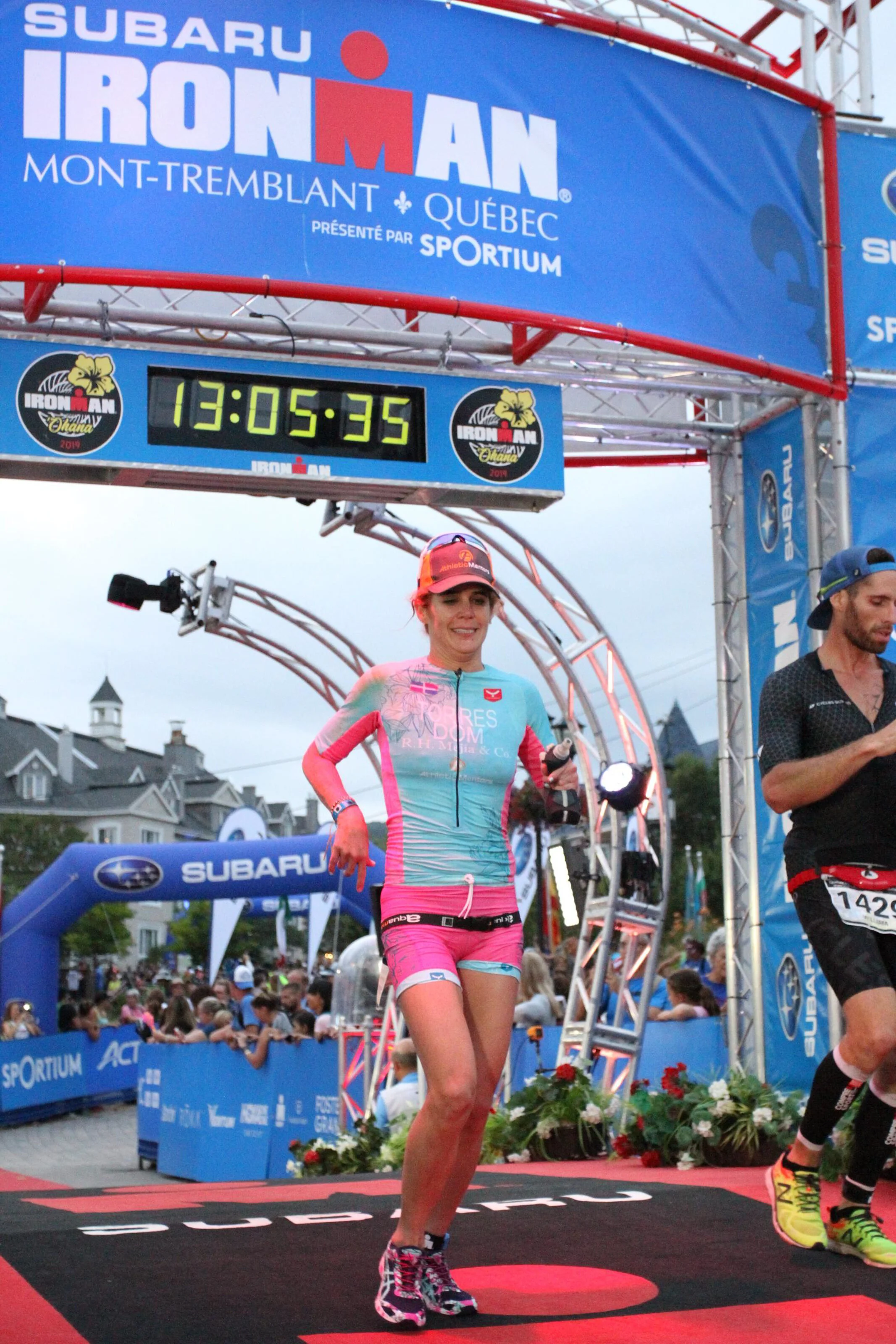
Running and Nutrition
Digestive issues, cramps, or back pain
In longer triathlons, fueling and hydration are necessary but can be difficult to digest due to reduced blood flow to the digestive system.
Solution:
Practice your race nutrition several times before the event. If cramps occur, hydrate, stretch, or take salt/electrolytes.
For back pain, change hand positions, stand up on the pedals periodically, and strengthen your core during training (planks, abdominal, and back exercises).
Starting the run too fast
It is common to feel your legs “fade” when you start too aggressively.
Solution:
Practice brick workouts (two disciplines back-to-back, such as bike + run). Begin the run with a shorter stride and gradually increase pace as your body adapts.
Final Reflection
All these recommendations should be applied according to each athlete and situation, always prioritizing safety and health. Mental mantras help maintain focus, reduce stress, and conserve energy.
“The mind is like the driver of a vehicle—it goes where you direct it. To live in well-being, we must keep it pointed in a positive direction.”
