
How Narcissists Use Financial Abuse: Reasons, Methods, and Insights.
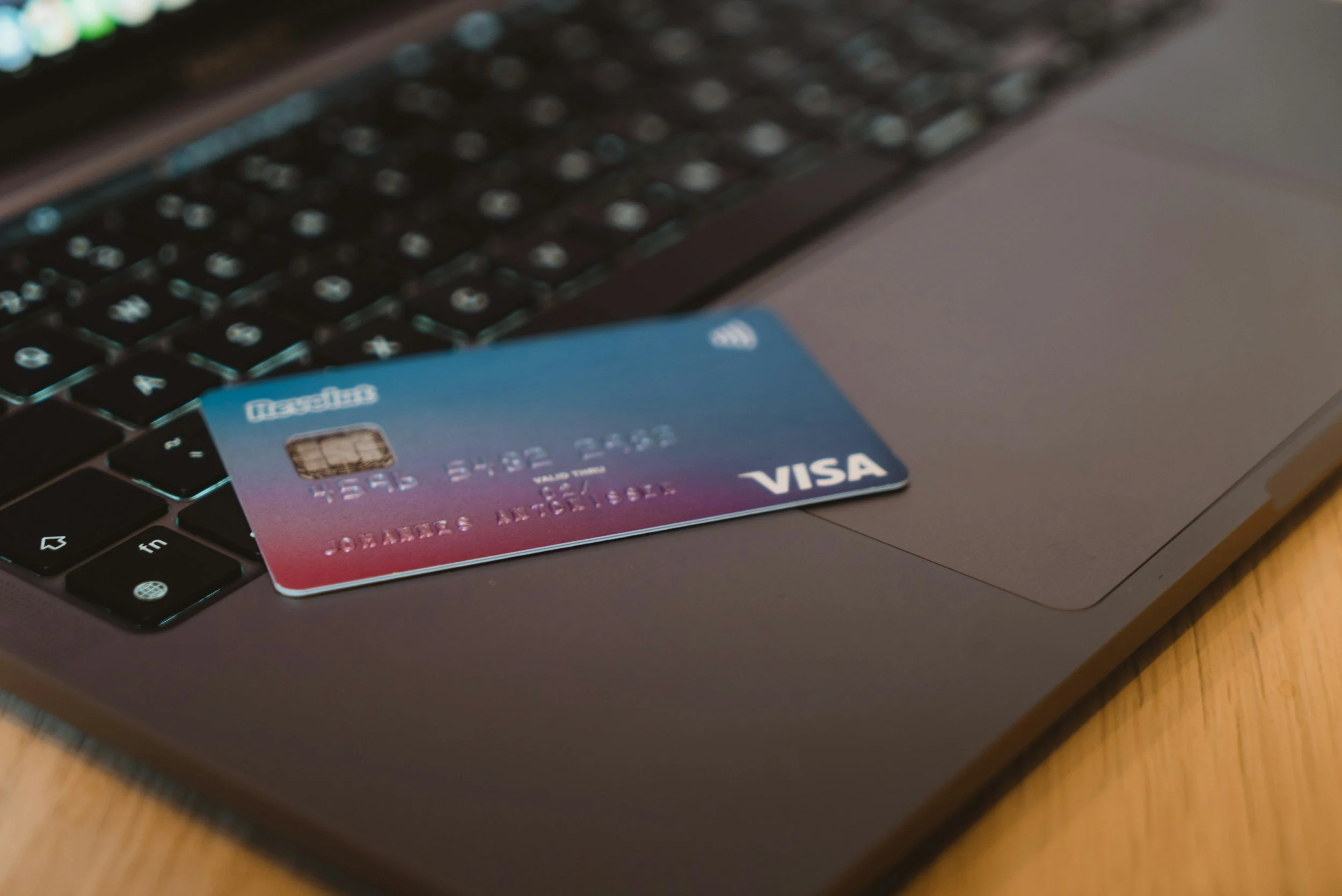
Financial abuse is one of the most silent and dangerous forms of control narcissists use in relationships. It often goes unnoticed because it is disguised as “help,” “protection,” or “responsibility,” when in reality its purpose is to dominate and create dependence. Although it does not leave visible scars like physical abuse, it can destroy independence, self-esteem, and long-term security.
What Is Financial Abuse?
Financial abuse occurs when someone uses money or resources to control, manipulate, or exploit another person. For narcissists, this behavior is rooted in entitlement, parasitism, and a need for dominance. They see money as a tool for control rather than a means of shared growth.
Research shows that narcissistic personality traits are strongly linked to using money for self-enhancement and power, rather than collaboration or fairness. (Example: “The Narcissistic Personality Inventory and Money Attitudes,” Personality and Individual Differences, 2011).
Why Narcissists Weaponize Money
Narcissists use financial control to:
Undermine your confidence and autonomy.
Keep you dependent, so leaving becomes difficult.
Feed their ego and lifestyle without reciprocation.
Experts studying coercive control describe financial abuse as a deliberate tactic to limit victims’ autonomy. (See “Coercive Control: Update and Review,” Journal of Family Violence, 2025). Like parasites, narcissists consume resources — emotional, physical, and financial — weakening their host over time.
How Narcissists Destroy Your Finances
Beyond controlling day-to-day spending, narcissists often actively destroy finances and credit:
1. Draining Earnings
They may take your income, insist you hand over paychecks, or pressure you to fund their lifestyle while giving little in return. This exploitation is systematic and tied to their sense of entitlement.
2. Running Up Debt
Narcissists may coerce you into loans, credit cards, or joint accounts, then leave you responsible for repayment. This can lead to maxed-out cards, missed payments, and long-term financial damage. (See “Economic Abuse and Debt,” Journal of Interpersonal Violence, 2023)
3. Sabotaging Credit Scores
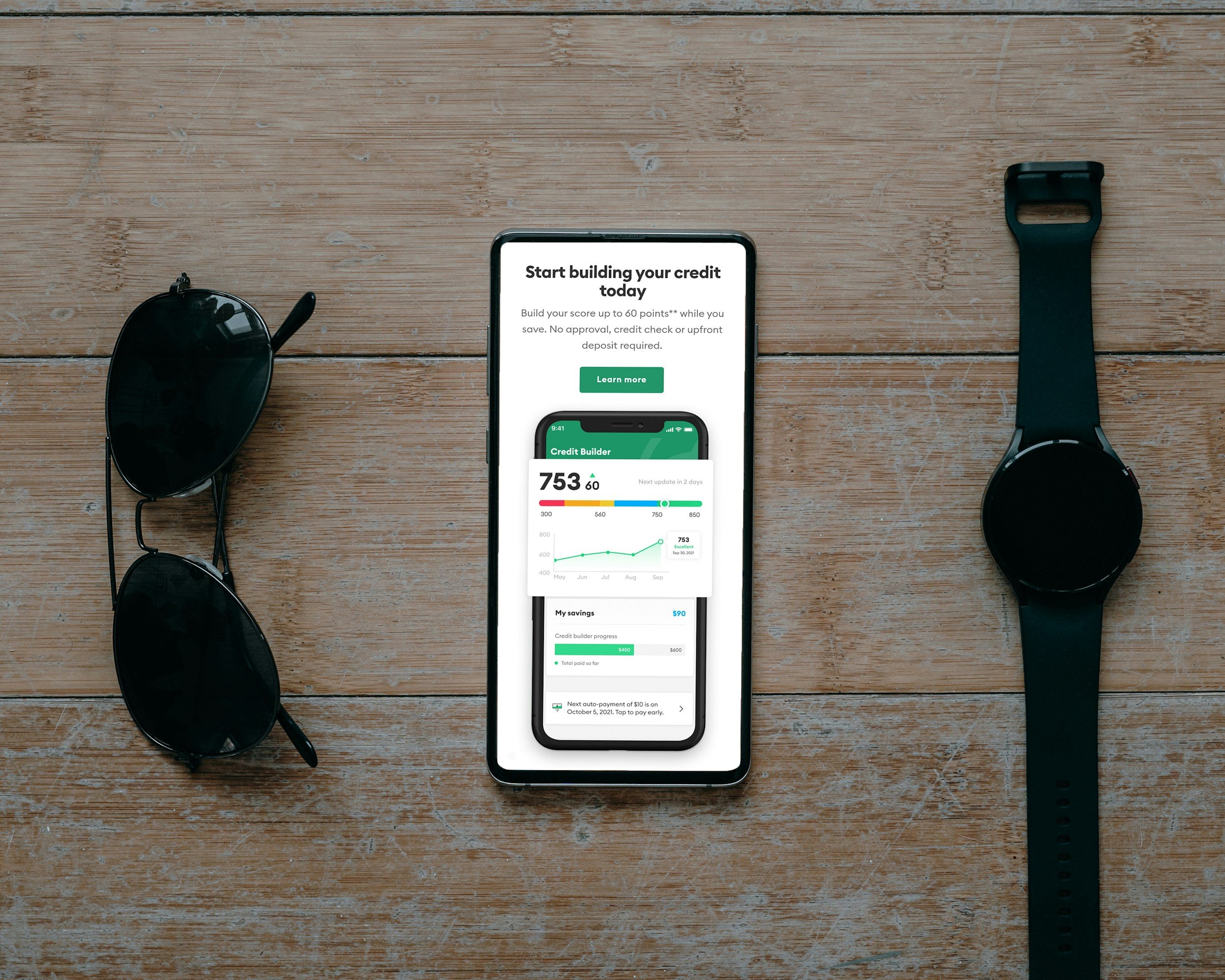
By opening accounts in your name without consent, forcing missed payments, or mismanaging shared finances, they can destroy your credit score. This can prevent you from securing housing, loans, or other financial independence in the future.
4. Controlling Access to Essentials
They may withhold funds for food, transportation, healthcare, or housing, making you dependent on them even if you earn money independently.
5. Deploying Everything for Their Gain
Eventually, they can exploit every financial resource available: your savings, retirement accounts, or emergency funds, leaving you vulnerable and trapped.
Studies on economic abuse emphasize that financial control and exploitation are predictable and measurable patterns in abusive relationships, not random incidents. (Example: “Economic Abuse in Intimate Relationships,” Partner Abuse, 2022).
Practical Advice for Protecting Yourself
If you suspect financial abuse, consider these steps:
🔹 Educate Yourself
Understanding that financial abuse is real and documented empowers you to act. It’s not “just in your head.”
🔹 Keep Records
Save emails, texts, and financial statements that show patterns of coercion or control.
🔹 Open Separate Accounts (If Safe)
A personal bank account can help you regain autonomy and protect earnings.
🔹 Seek Professional Support

Financial therapists, counselors, and legal advocates can help you navigate credit repair, asset protection, and safety planning.
🔹 Plan for Independence
Develop a step-by-step plan with trusted friends, family, or professionals to regain control over your finances safely.
Final Thought
Financial abuse is not love, care, or support. It is a calculated strategy designed to consume resources, erode independence, and maintain control. Recognizing the signs — from restricted access to destroyed credit scores — is the first step in reclaiming your autonomy. Backed by research from psychologists and social scientists, this awareness empowers you to protect your financial and emotional well-being and build healthier, balanced relationships.
